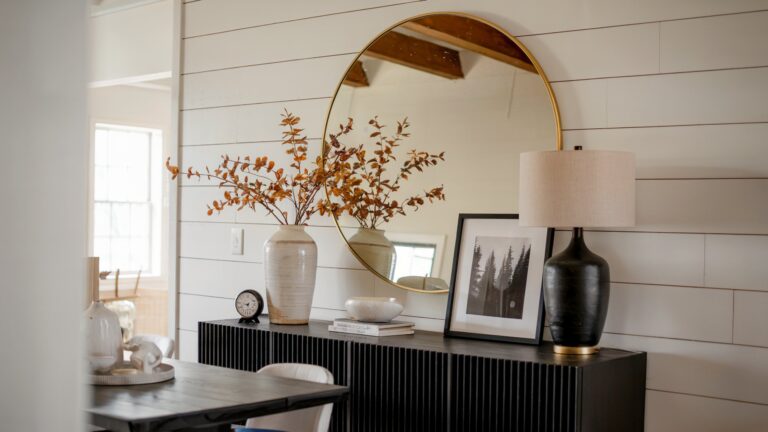
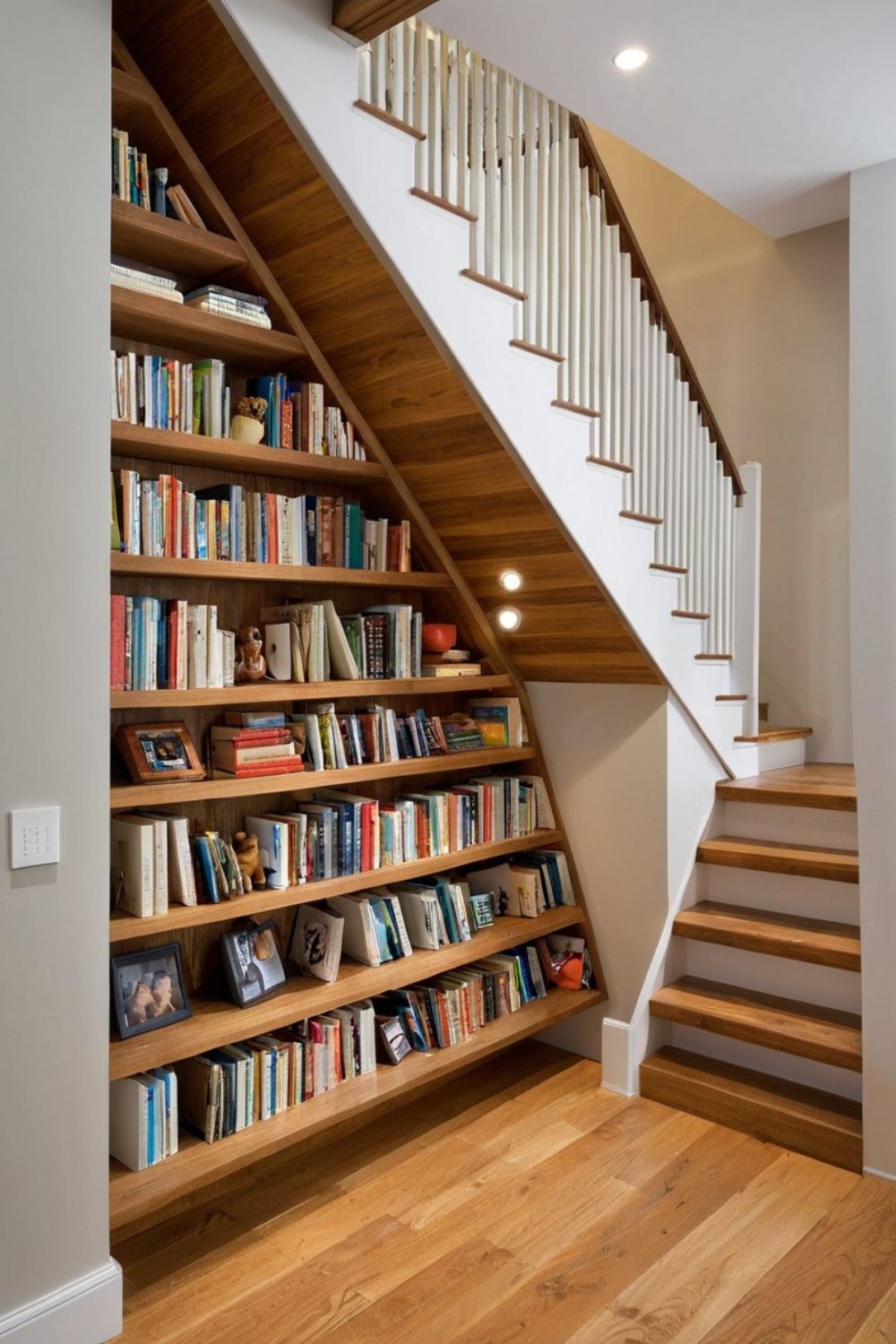
In my experience working with homeowners on storage solutions and interior organization projects, I’ve observed that bookshelves often serve dual purposes as both functional storage and decorative elements. Through various projects, I’ve learned that thoughtful bookshelf design typically enhances room aesthetics while providing practical organization solutions for books, collections, and personal items.
Note: For any wall mounting, structural modifications, or electrical work mentioned in this article, always consult with licensed professionals to ensure safety, code compliance, and proper installation.
What makes bookshelf design particularly effective is the balance between storage capacity, accessibility, and visual appeal within existing room layouts. I’ve found that homeowners often choose specific bookshelf styles because they typically address both organizational needs and interior design goals while working within space and budget constraints.
The key to successful bookshelf integration often lies in selecting designs that complement existing décor while providing adequate storage for current and future collections. Effective installations typically consider room proportions, available wall space, and daily usage patterns while ensuring structural safety and long-term durability.
Here are 20 bookshelf design concepts that often work well in various home configurations and budgets, based on observations from numerous storage and organization renovation projects.
1. Wall-Mounted Floating Systems: Minimalist Storage Solutions
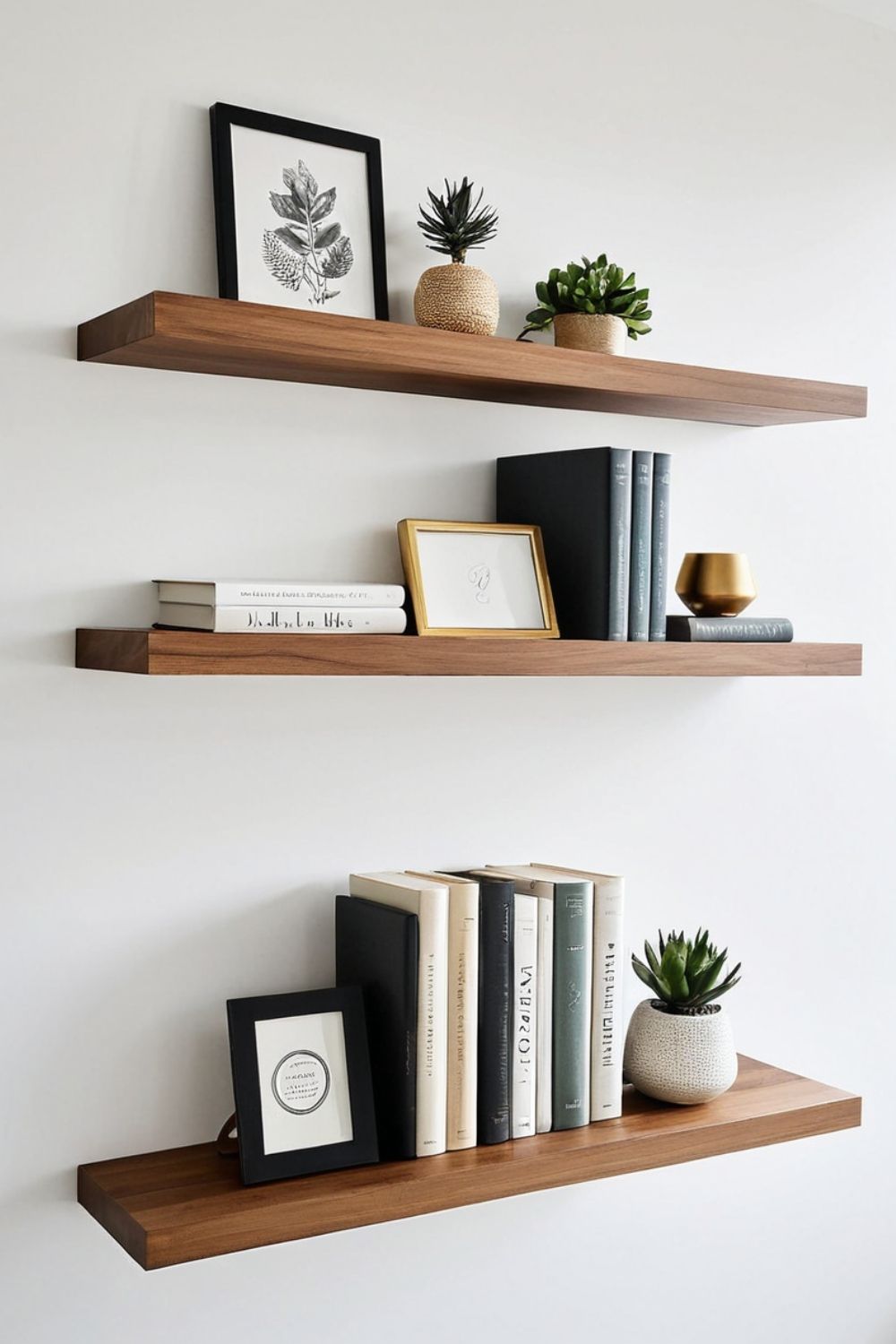
This mounting approach often appeals to homeowners seeking clean, contemporary appearances. Floating shelf installations typically create open, airy feelings while providing book storage without consuming floor space.
Design consideration: Wall-mounted systems often require proper anchoring and weight distribution planning, while floating installations typically need consideration of wall structure and load-bearing capacity.
Practical benefit: Space-saving mounting often preserves floor area for other uses, while minimalist designs typically adapt well to changing décor styles and room arrangements over time.
2. Repurposed Ladder Integration: Rustic Character Addition
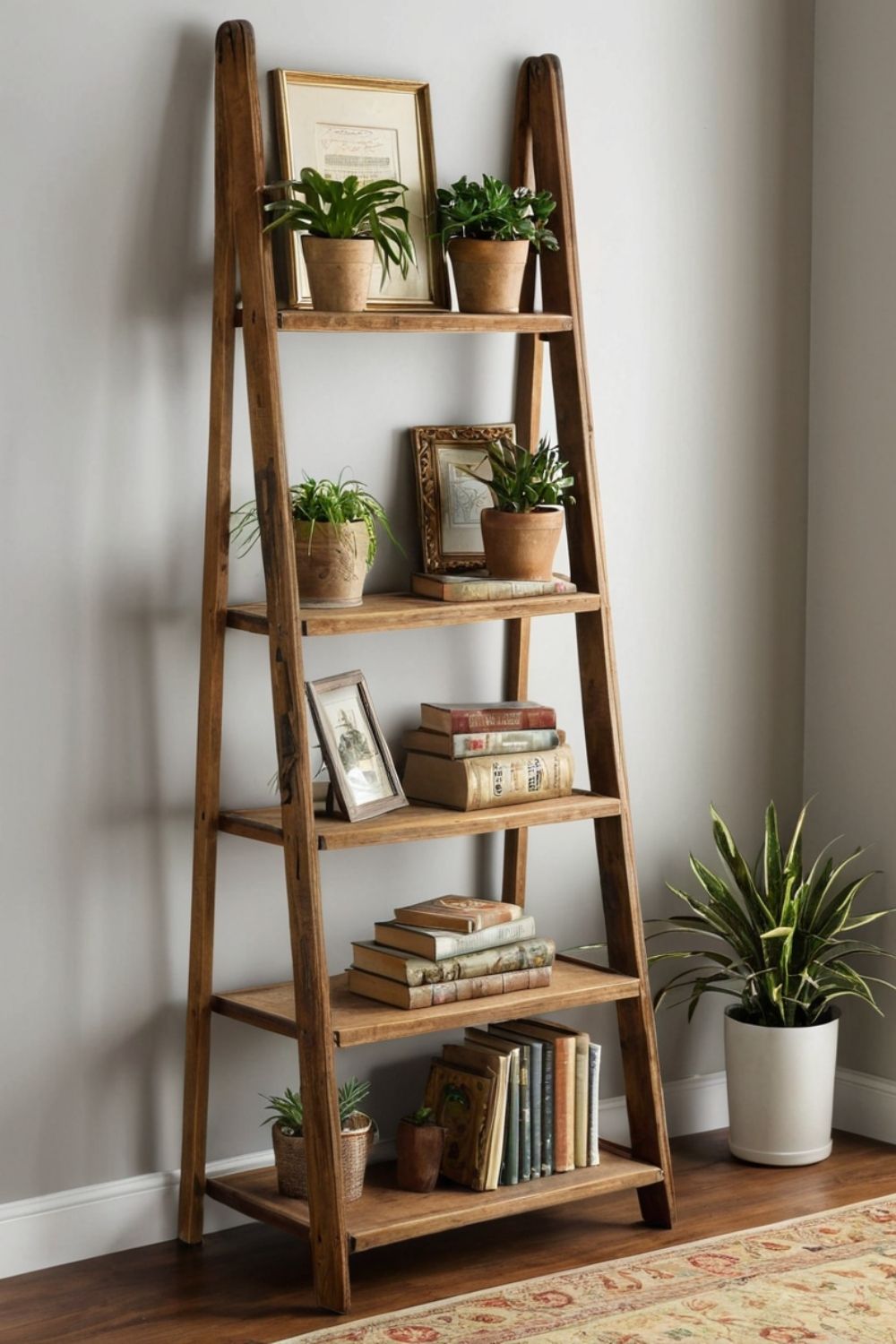
This creative approach often appeals to homeowners appreciating vintage or farmhouse aesthetics. Ladder conversions typically provide unique storage while adding architectural interest and sustainable material reuse.
Design consideration: Vintage ladder installations often require stability assessment and safety modifications, while leaning designs typically need wall protection and secure positioning to prevent movement.
Practical benefit: Repurposed materials often provide distinctive character at lower costs, while ladder designs typically offer easy reconfiguration and seasonal storage flexibility.
3. Geometric Pattern Installation: Contemporary Visual Interest
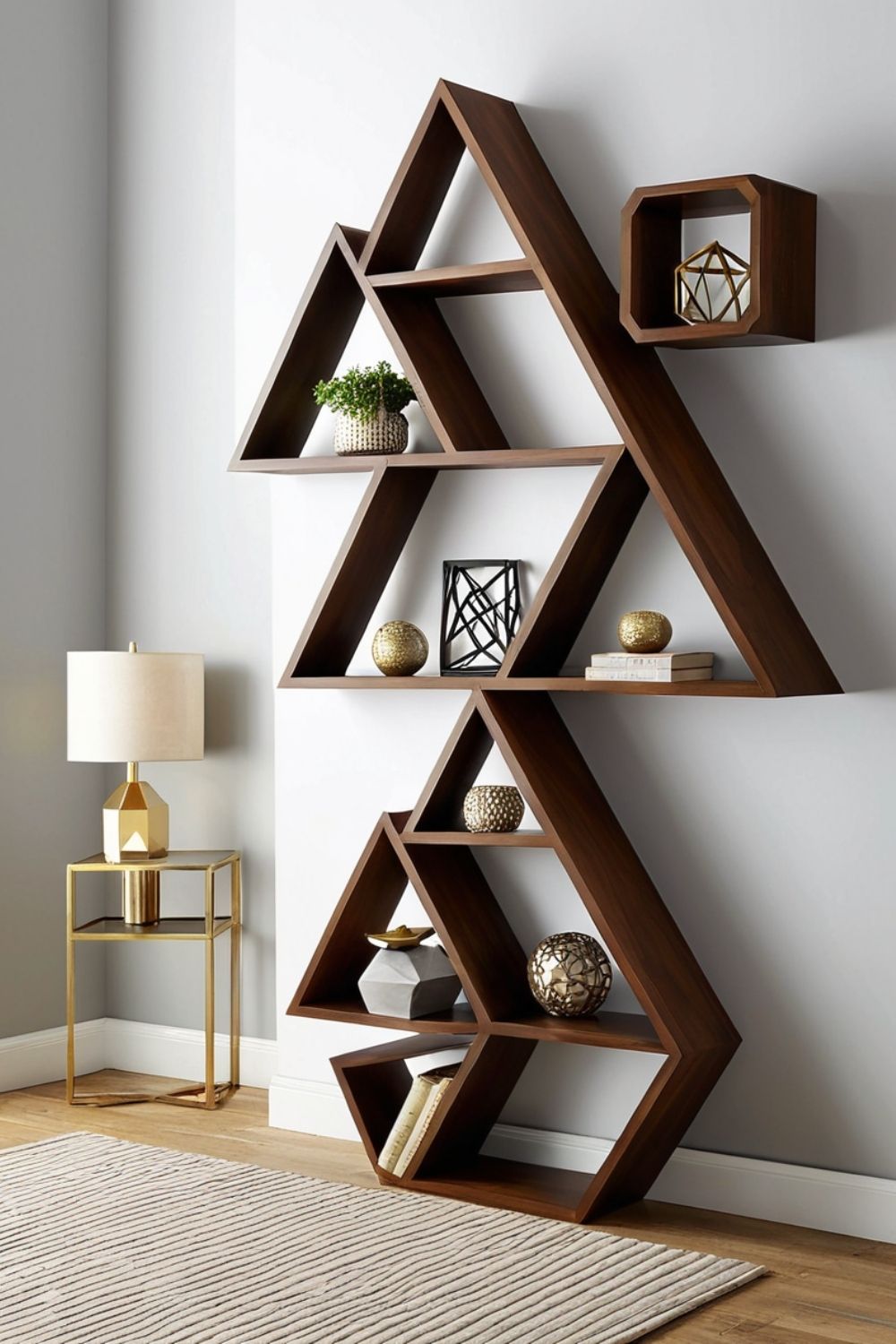
This design strategy often appeals to homeowners wanting modern, artistic storage solutions. Geometric shelf arrangements typically create focal points while providing organized storage in visually interesting configurations.
Design consideration: Complex geometric installations often require precise planning and professional mounting, while asymmetrical designs typically need careful balance considerations for both aesthetics and structural stability.
Practical benefit: Unique geometric arrangements often serve as functional art pieces, while modular designs typically allow for expansion and reconfiguration as storage needs change.
4. Built-In Storage Systems: Custom Integration Solutions
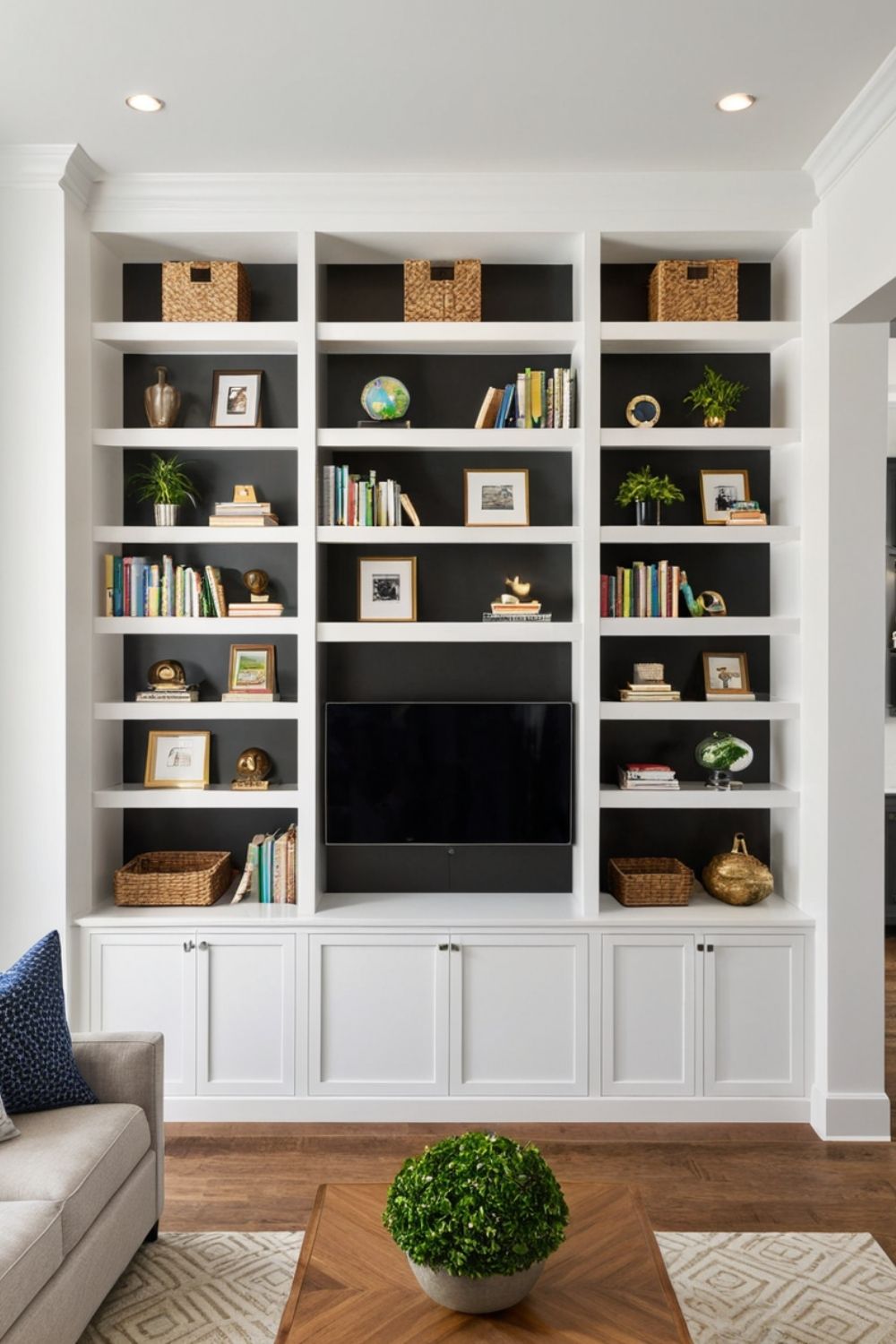
This comprehensive approach often appeals to homeowners seeking permanent, space-maximizing solutions. Built-in installations typically provide extensive storage while creating seamless integration with existing architecture.
Design consideration: Built-in systems often require professional design and installation, while permanent installations typically need careful planning for future flexibility and home resale considerations.
Practical benefit: Custom built-ins often maximize available space efficiently, while integrated designs typically increase property value and provide long-term storage solutions.
5. Industrial Material Combination: Modern Edge Integration
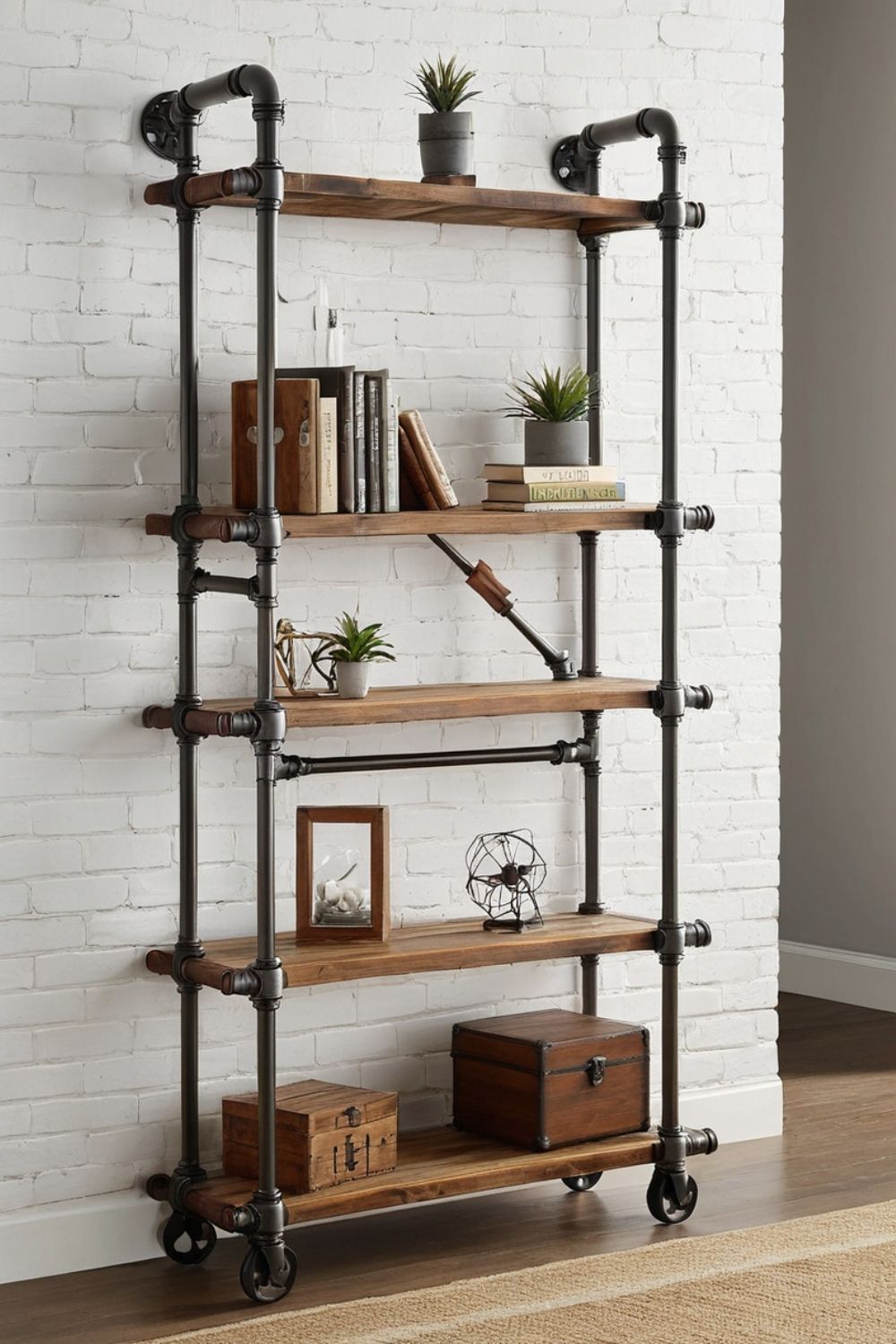
This style approach often appeals to homeowners appreciating contemporary industrial aesthetics. Pipe and wood combinations typically provide durable storage while adding distinctive character to modern or loft-style spaces.
Design consideration: Industrial materials often require appropriate finishing and safety considerations, while pipe installations typically need proper anchoring and joint sealing for stability and appearance.
Practical benefit: Durable industrial materials often provide excellent longevity, while distinctive styling typically creates memorable focal points that enhance overall room character.
6. Corner Space Utilization: Efficiency-Maximizing Solutions
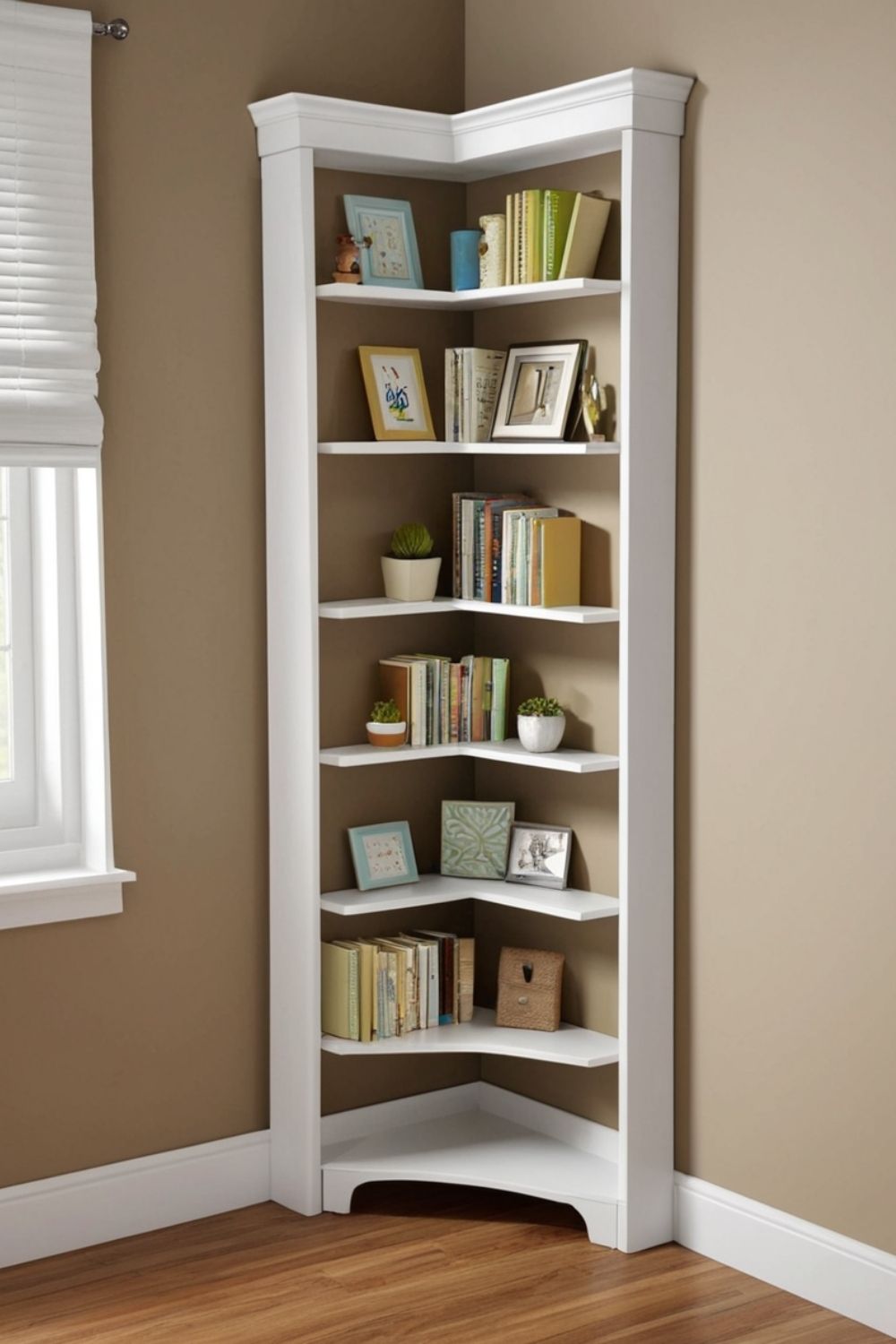
This spatial strategy often appeals to homeowners with limited floor space seeking storage optimization. Corner installations typically utilize often-overlooked areas while maintaining room flow and accessibility.
Design consideration: Corner installations often require custom sizing and careful measurement, while angled placements typically need consideration of lighting and accessibility for daily use.
Practical benefit: Corner utilization often maximizes storage without impacting main traffic areas, while vertical corner designs typically provide substantial storage capacity in minimal footprints.
7. Color-Coordinated Organization: Visual System Creation
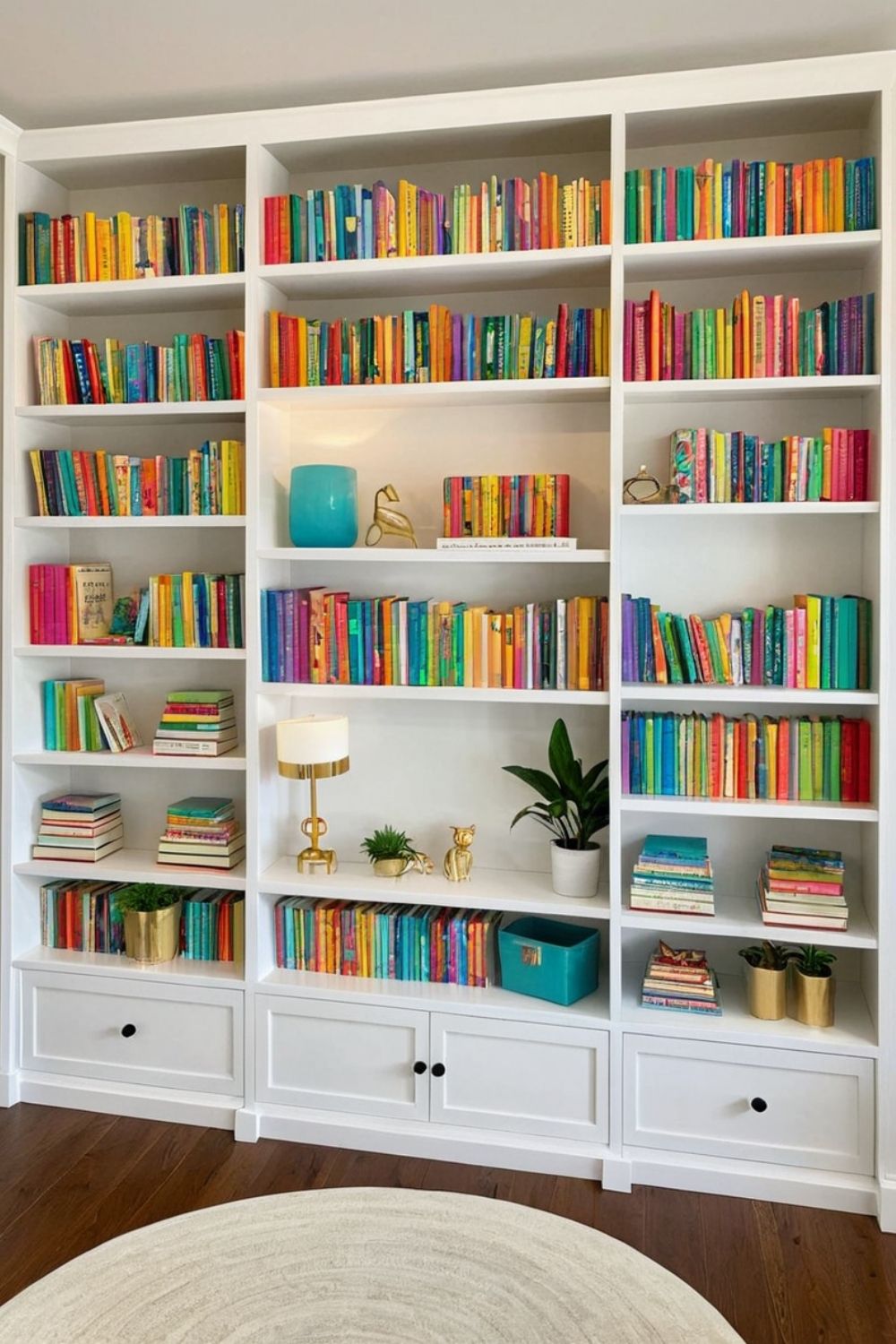
This organizational approach often appeals to homeowners wanting both storage and decorative impact. Color-based arrangement typically creates visually pleasing displays while maintaining organized, accessible book collections.
Design consideration: Color organization often requires adequate lighting for visual impact, while rainbow arrangements typically need regular maintenance to preserve appearance as collections change.
Practical benefit: Visual organization systems often make collections more engaging and accessible, while colorful displays typically create cheerful, personality-filled environments.
8. Natural Fiber Accent Integration: Textural Interest Addition
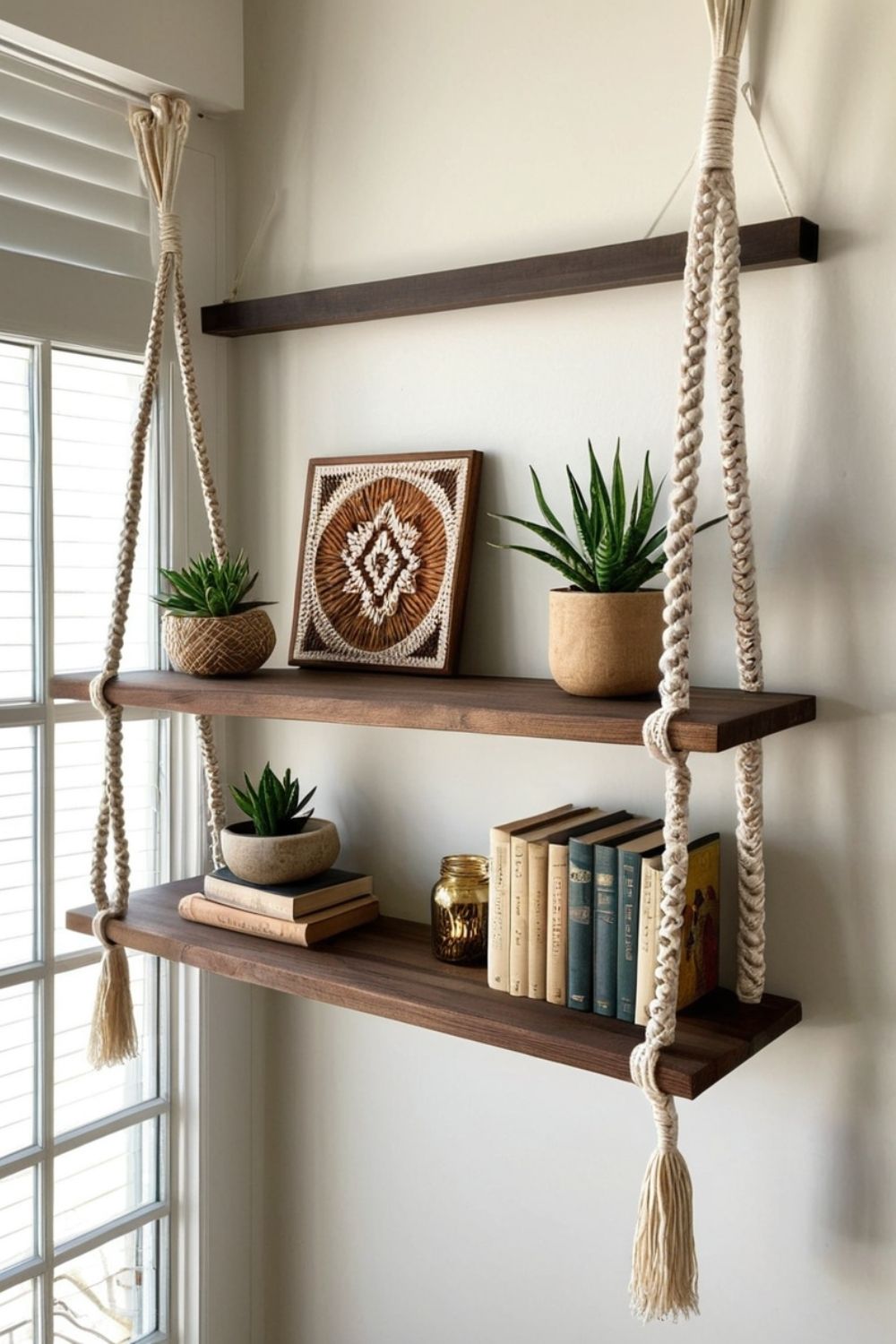
This decorative strategy often appeals to homeowners seeking bohemian or natural design elements. Macramé and woven accents typically add texture and organic interest to storage areas.
Design consideration: Natural fiber elements often require protection from moisture and direct sunlight, while hanging installations typically need appropriate mounting hardware for safety and stability.
Practical benefit: Textural accents often create more interesting, layered environments, while natural materials typically provide sustainable, easily changeable decorative options.
9. Modular Crate Systems: Flexible Storage Solutions
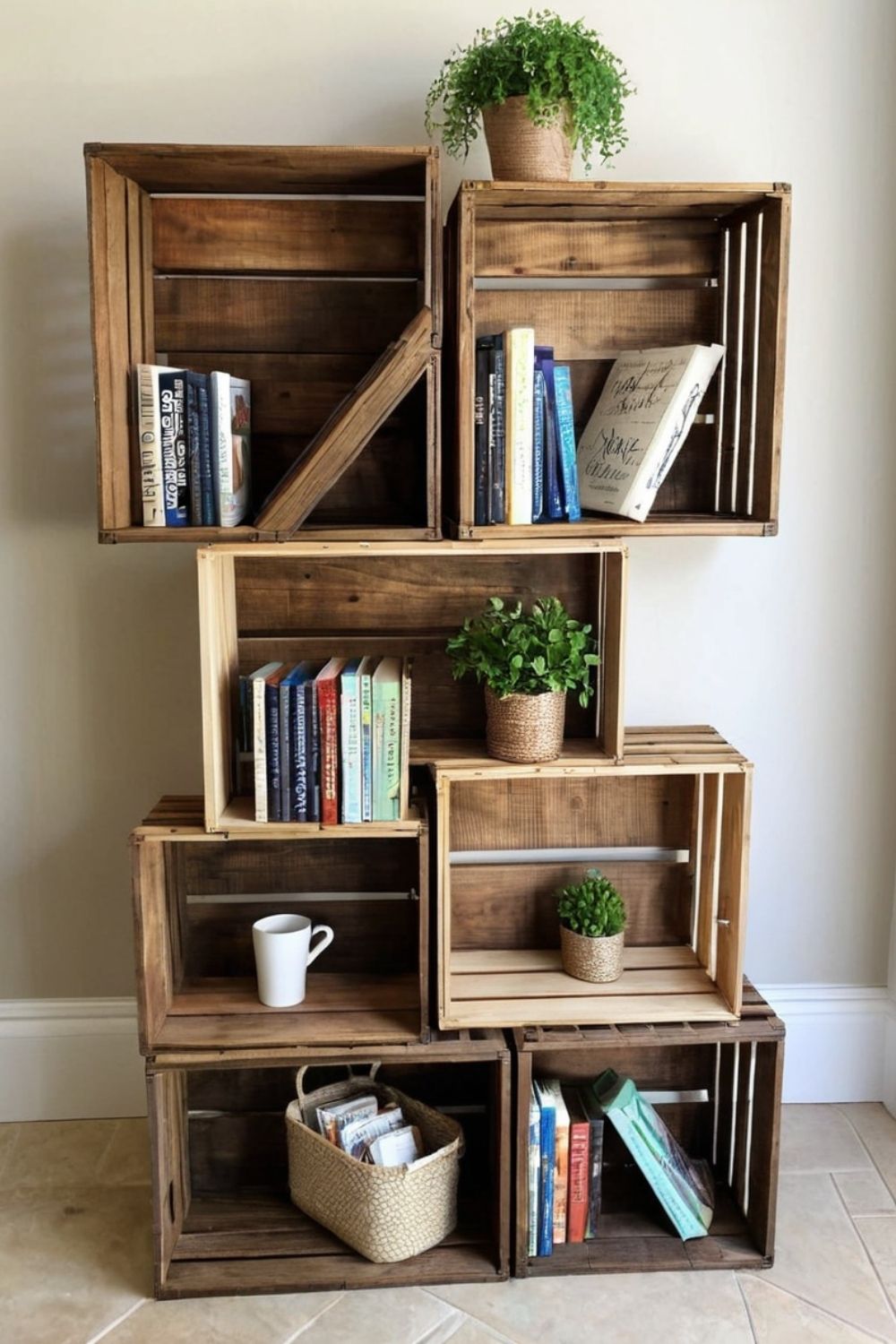
This adaptable approach often appeals to homeowners wanting customizable, budget-friendly storage. Crate arrangements typically provide flexible configurations while offering sustainable material reuse options.
Design consideration: Crate installations often require proper securing and finishing for safety, while modular systems typically need planning for weight distribution and structural stability.
Practical benefit: Modular designs often allow for easy reconfiguration as needs change, while budget-friendly options typically provide substantial storage capacity at lower investment levels.
10. Glass Display Integration: Contemporary Elegance Addition
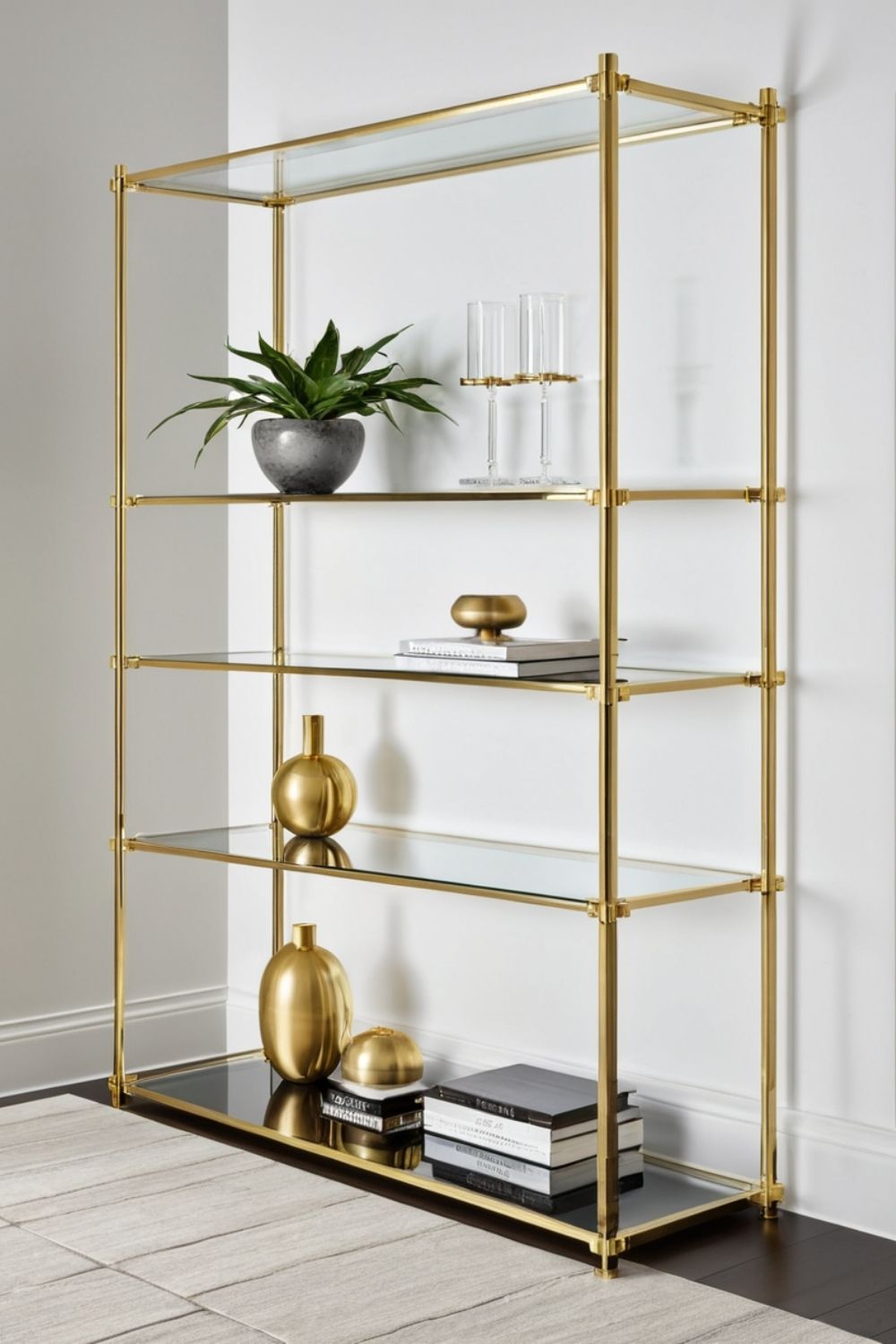
This material approach often appeals to homeowners seeking sophisticated, light-enhancing storage solutions. Glass installations typically provide clean, reflective surfaces while maintaining visual openness.
Design consideration: Glass installations often require careful handling and appropriate support systems, while reflective surfaces typically need regular cleaning and consideration of lighting placement.
Practical benefit: Glass elements often make spaces feel larger and brighter, while elegant materials typically enhance perceived room quality and sophistication.
11. Mixed Media Display: Artistic Integration Solutions
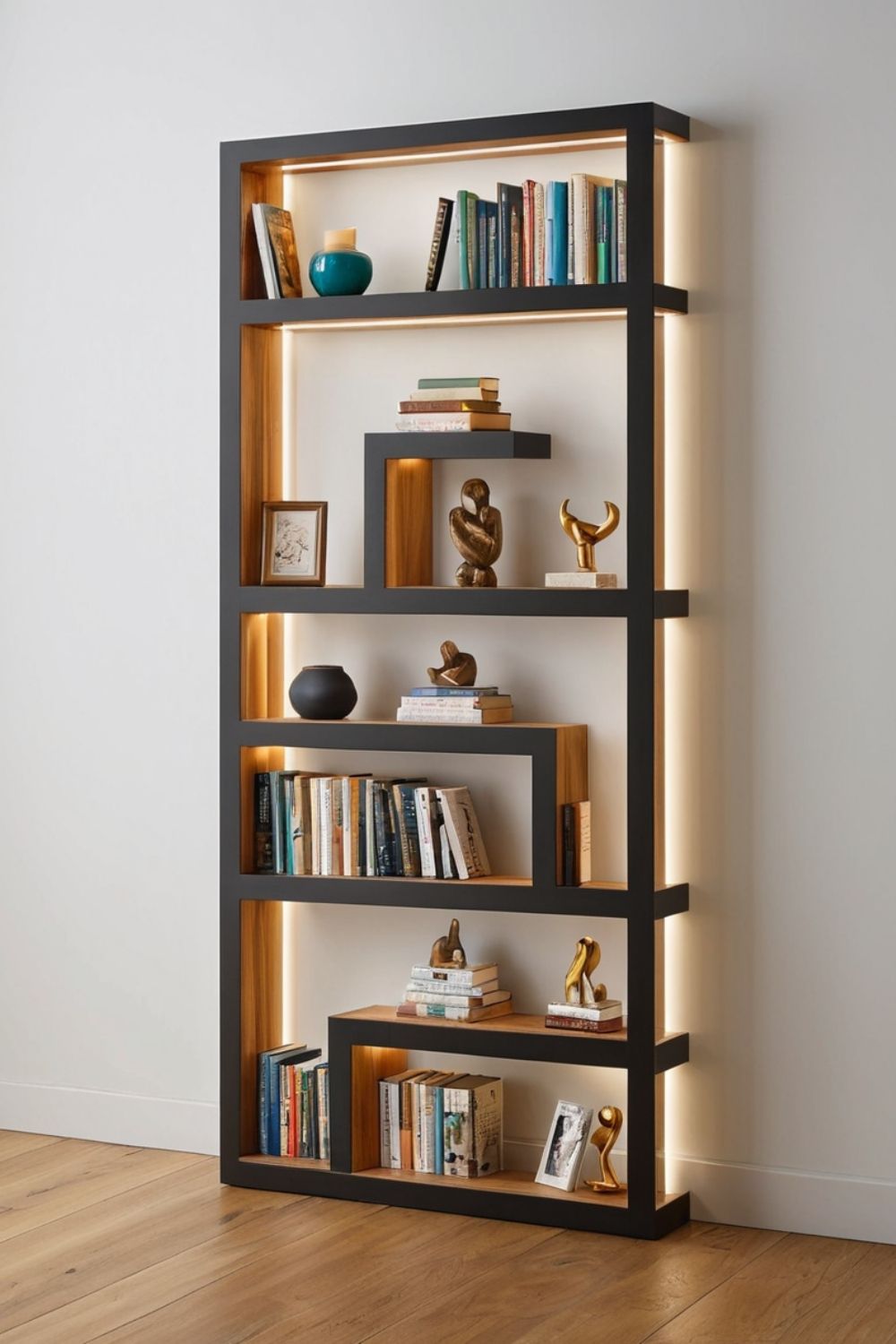
This creative strategy often appeals to homeowners wanting personalized, gallery-like storage. Combined book and art displays typically create curated environments that reflect individual interests and collections.
Design consideration: Mixed displays often require varied lighting and protection considerations, while art integration typically needs appropriate mounting and environmental controls for preservation.
Practical benefit: Personalized displays often create more engaging, meaningful environments, while curated arrangements typically provide conversation topics and cultural enrichment opportunities.
12. Asymmetrical Design Implementation: Dynamic Visual Creation
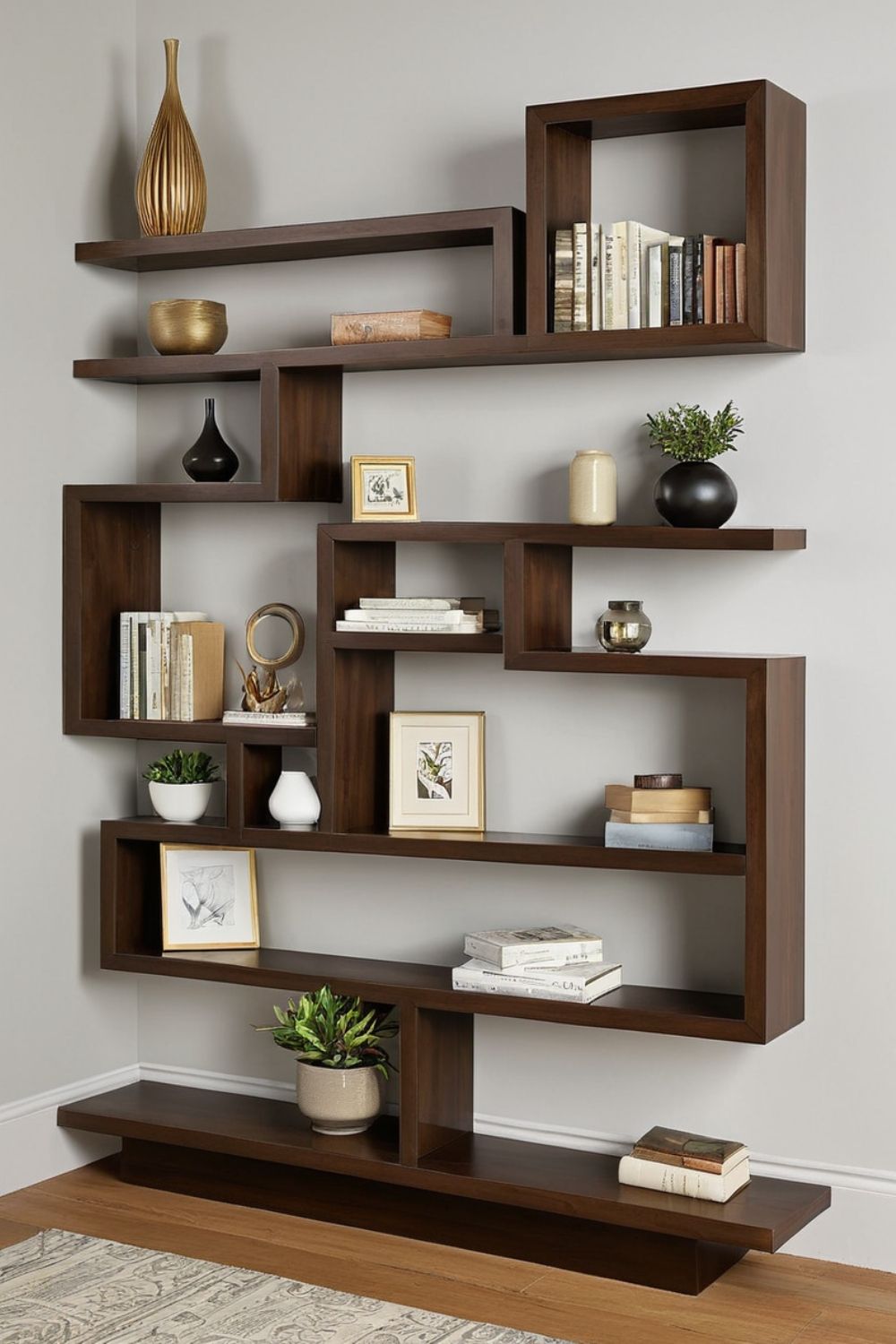
This contemporary approach often appeals to homeowners seeking modern, architecturally interesting storage. Asymmetrical arrangements typically create dynamic visual interest while providing functional organization.
Design consideration: Asymmetrical installations often require careful planning for visual balance and structural stability, while complex arrangements typically need professional design input for optimal results.
Practical benefit: Dynamic designs often create more visually engaging environments, while asymmetrical arrangements typically provide flexibility for varied item sizes and future collection changes.
13. Floor-to-Ceiling Implementation: Maximum Storage Integration
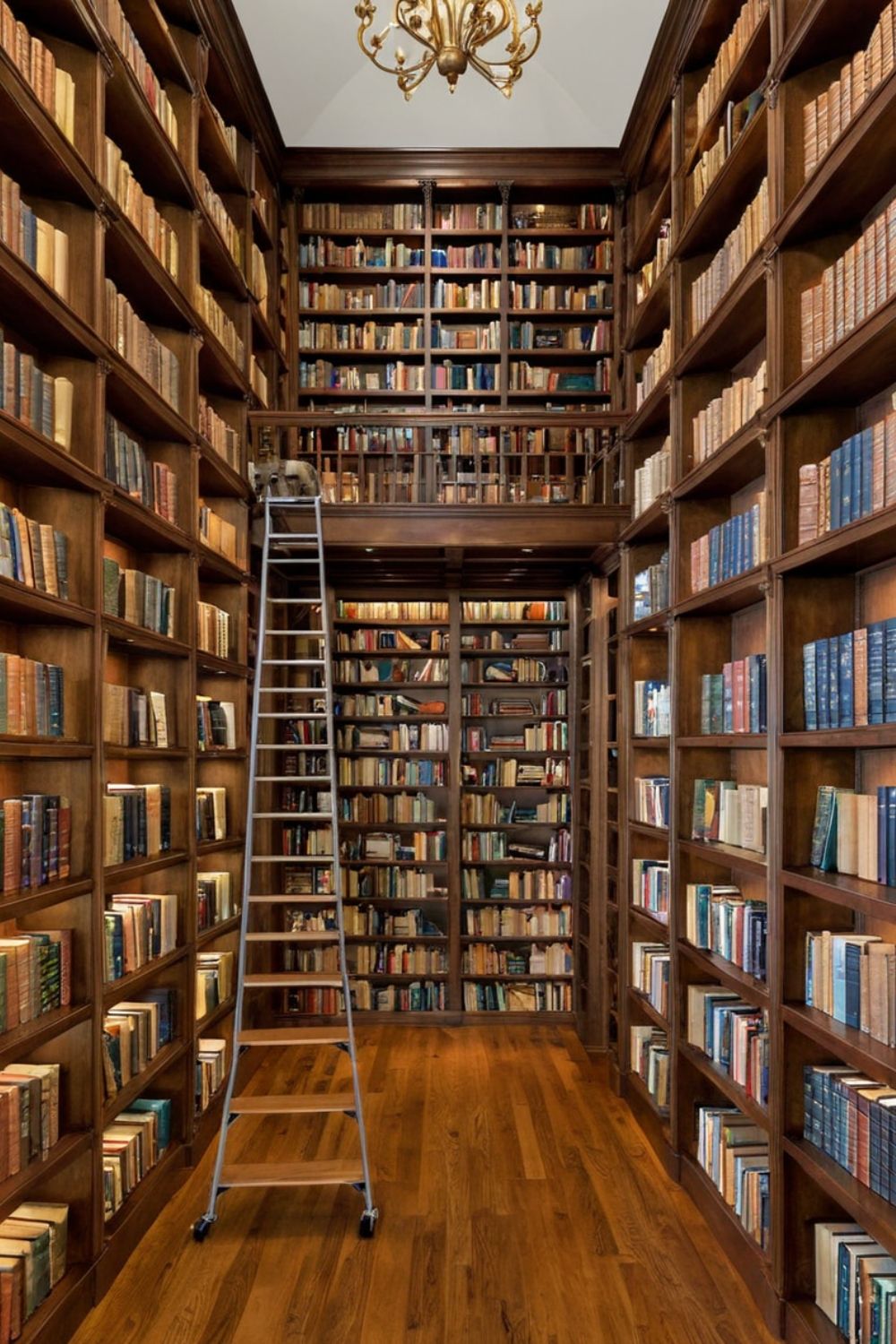
This comprehensive strategy often appeals to homeowners with extensive collections seeking dramatic storage solutions. Wall-spanning installations typically provide substantial storage while creating impressive architectural features.
Design consideration: Full-wall installations often require structural evaluation and professional installation, while ceiling-height systems typically need consideration of access methods and safety requirements.
Practical benefit: Maximum storage capacity often accommodates large collections efficiently, while impressive installations typically create distinctive room features that enhance property value.
14. Concealed Storage Integration: Clean Appearance Solutions
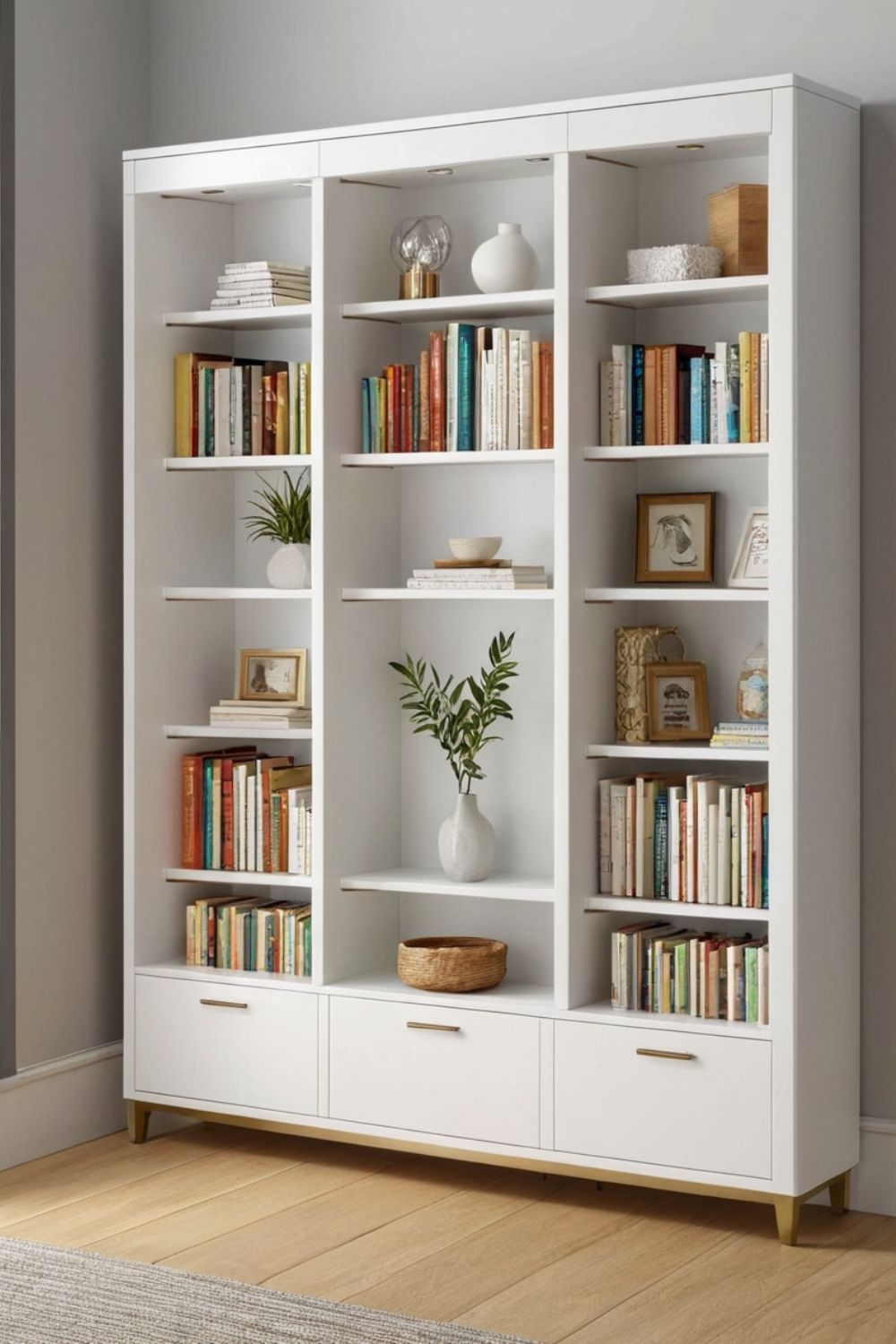
This organizational philosophy often appeals to homeowners prioritizing uncluttered, streamlined appearances. Hidden storage combinations typically maintain visual calm while providing extensive organization capacity.
Design consideration: Concealed storage often requires quality hardware and careful planning for accessibility, while closed systems typically need ventilation considerations for item preservation.
Practical benefit: Hidden storage often maintains clean sight lines and reduces visual clutter, while protected storage typically preserves items better and requires less frequent organizing.
15. Natural Wood Material Selection: Organic Warmth Addition
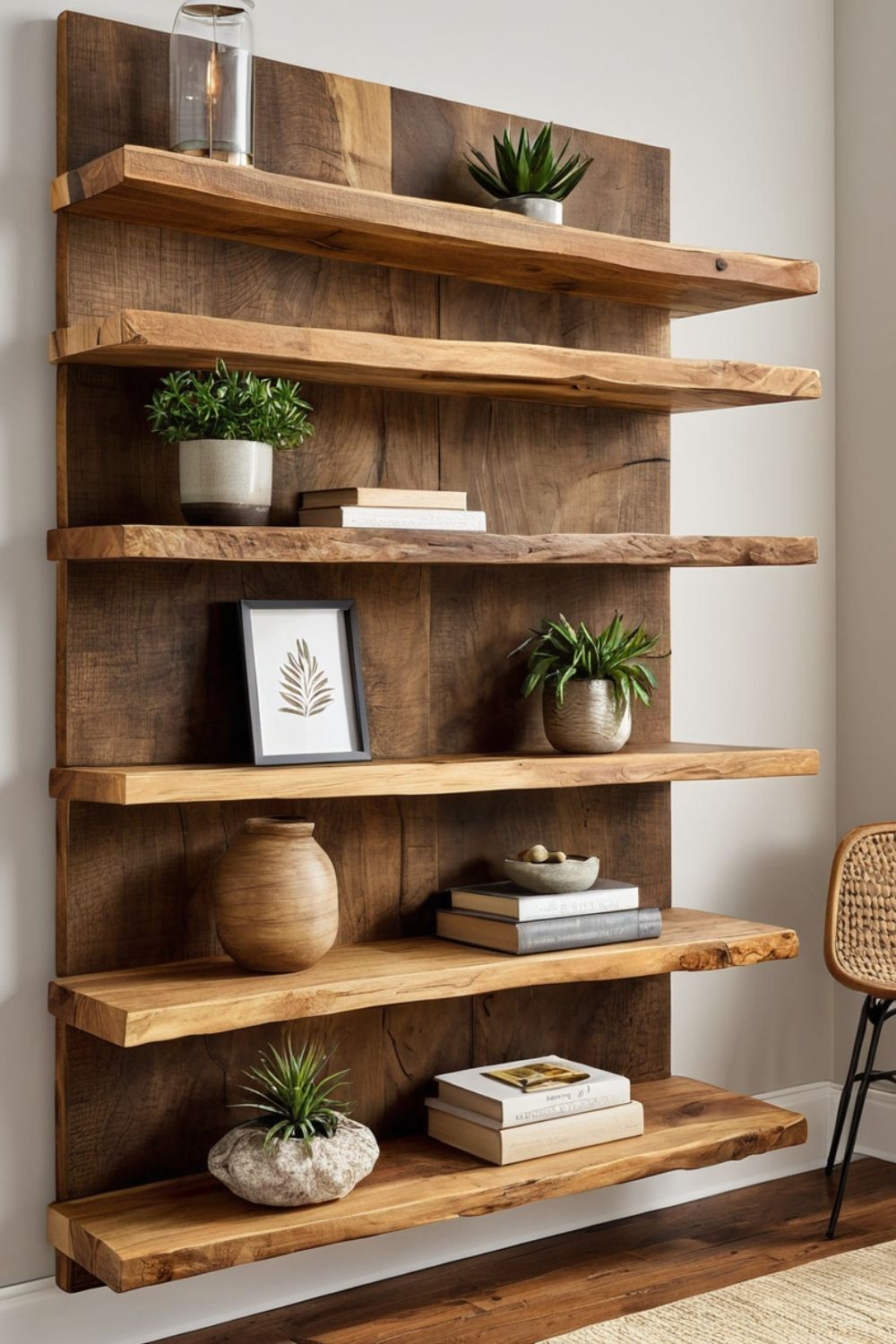
This material strategy often appeals to homeowners seeking warm, natural design elements. Wood installations typically provide timeless appeal while adding organic texture and character to spaces.
Design consideration: Wood installations often require appropriate finishing and maintenance for longevity, while natural materials typically need consideration of humidity and temperature variations.
Practical benefit: Quality wood elements often improve with age and develop character, while natural materials typically create healthier indoor environments and adaptable design foundations.
16. Cubic Module Organization: Systematic Storage Solutions
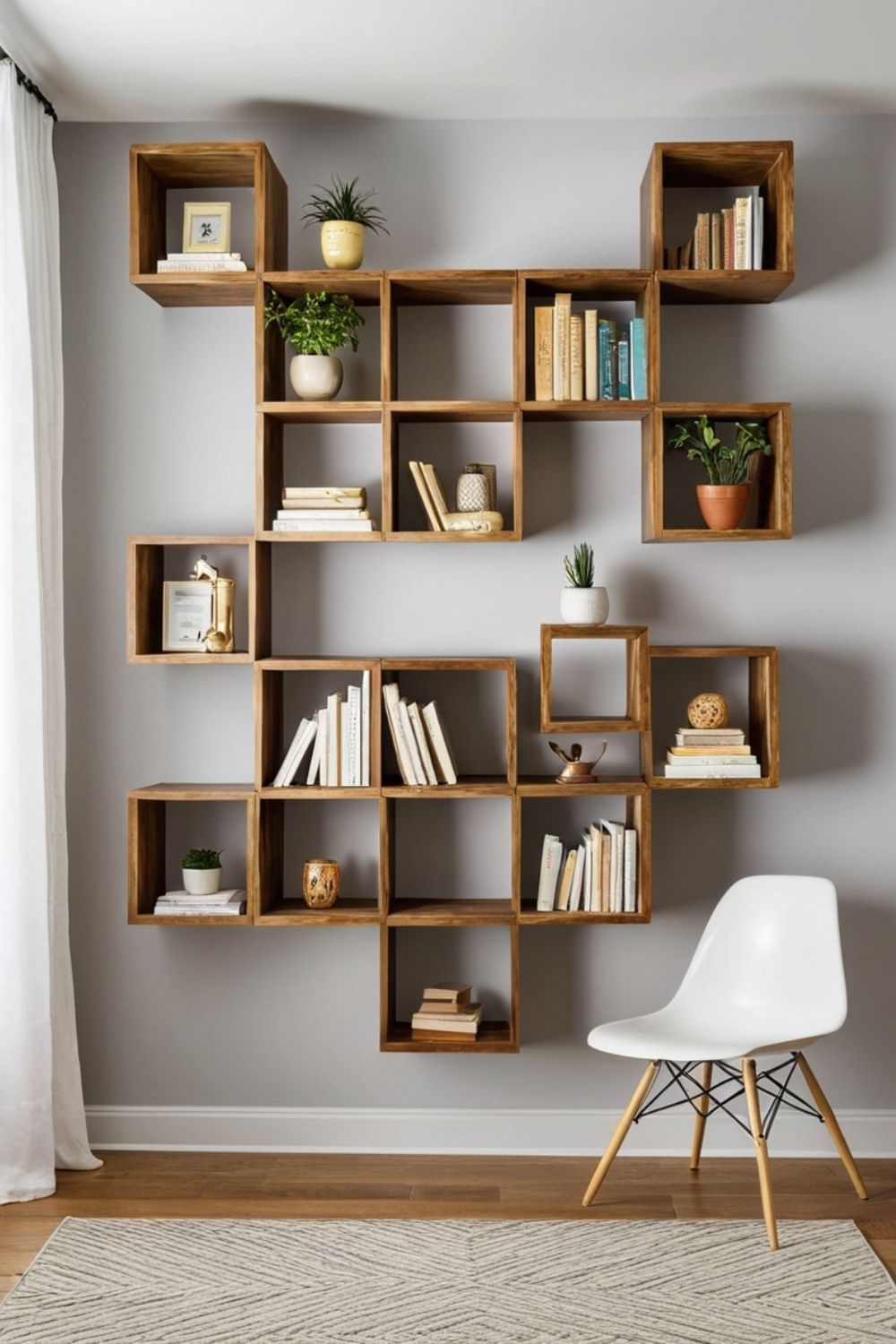
This structural approach often appeals to homeowners wanting organized, modern storage systems. Cubic arrangements typically provide systematic organization while maintaining contemporary design appeal.
Design consideration: Modular cube systems often require careful spacing and alignment for professional appearance, while systematic arrangements typically need planning for varied item sizes and accessibility.
Practical benefit: Systematic organization often improves item accessibility and visual order, while modular designs typically allow for expansion and reconfiguration as storage needs evolve.
17. Curated Collection Display: Personal Expression Integration
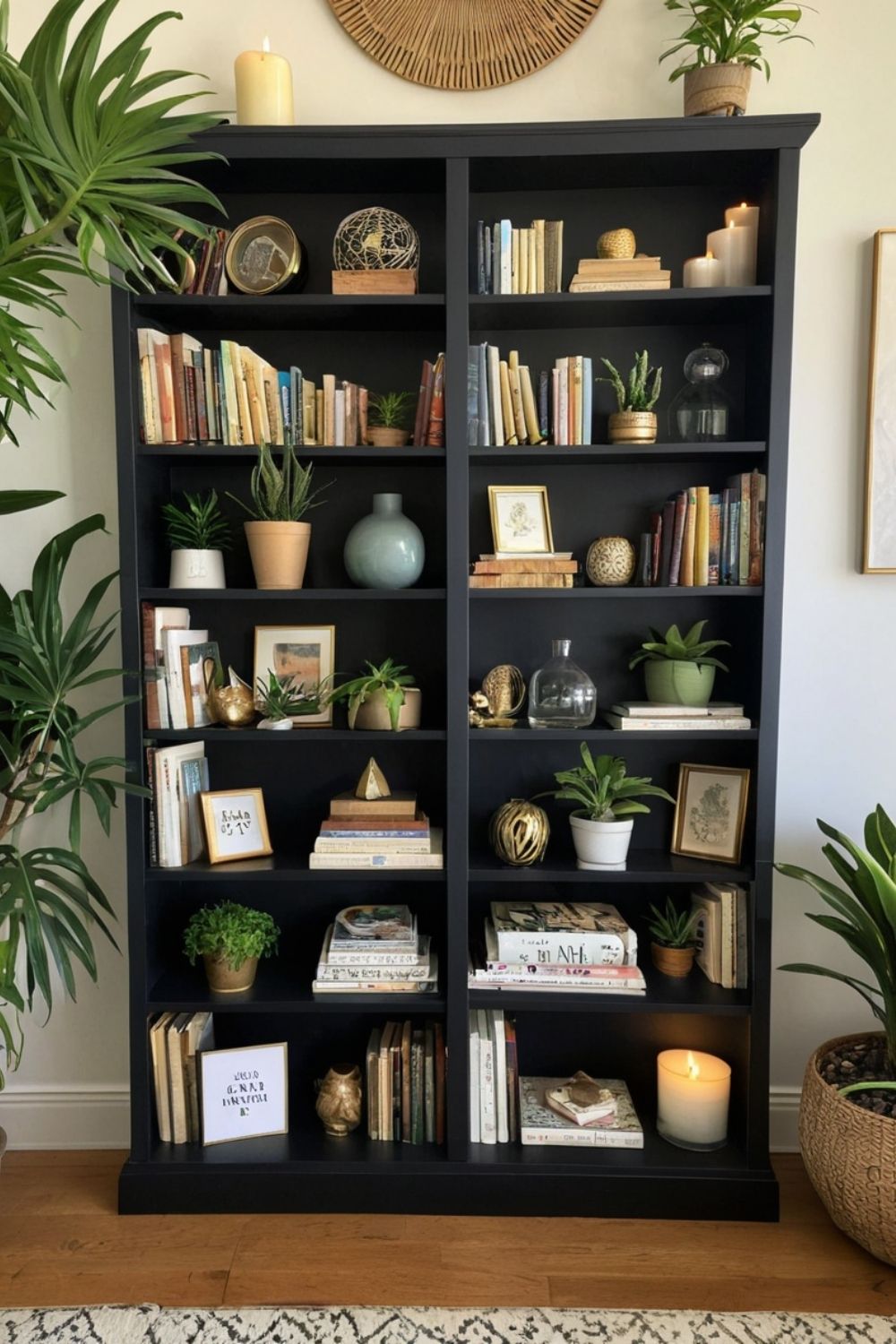
This personalization strategy often appeals to homeowners wanting meaningful, individual storage solutions. Mixed item displays typically create personality-filled environments that reflect personal interests and experiences.
Design consideration: Curated displays often require regular updating and careful arrangement for visual appeal, while personal collections typically need consideration of item protection and accessibility.
Practical benefit: Personal displays often create more satisfying, meaningful environments, while individual curation typically provides creative expression opportunities and conversation value.
18. Monochromatic Design Integration: Unified Aesthetic Creation
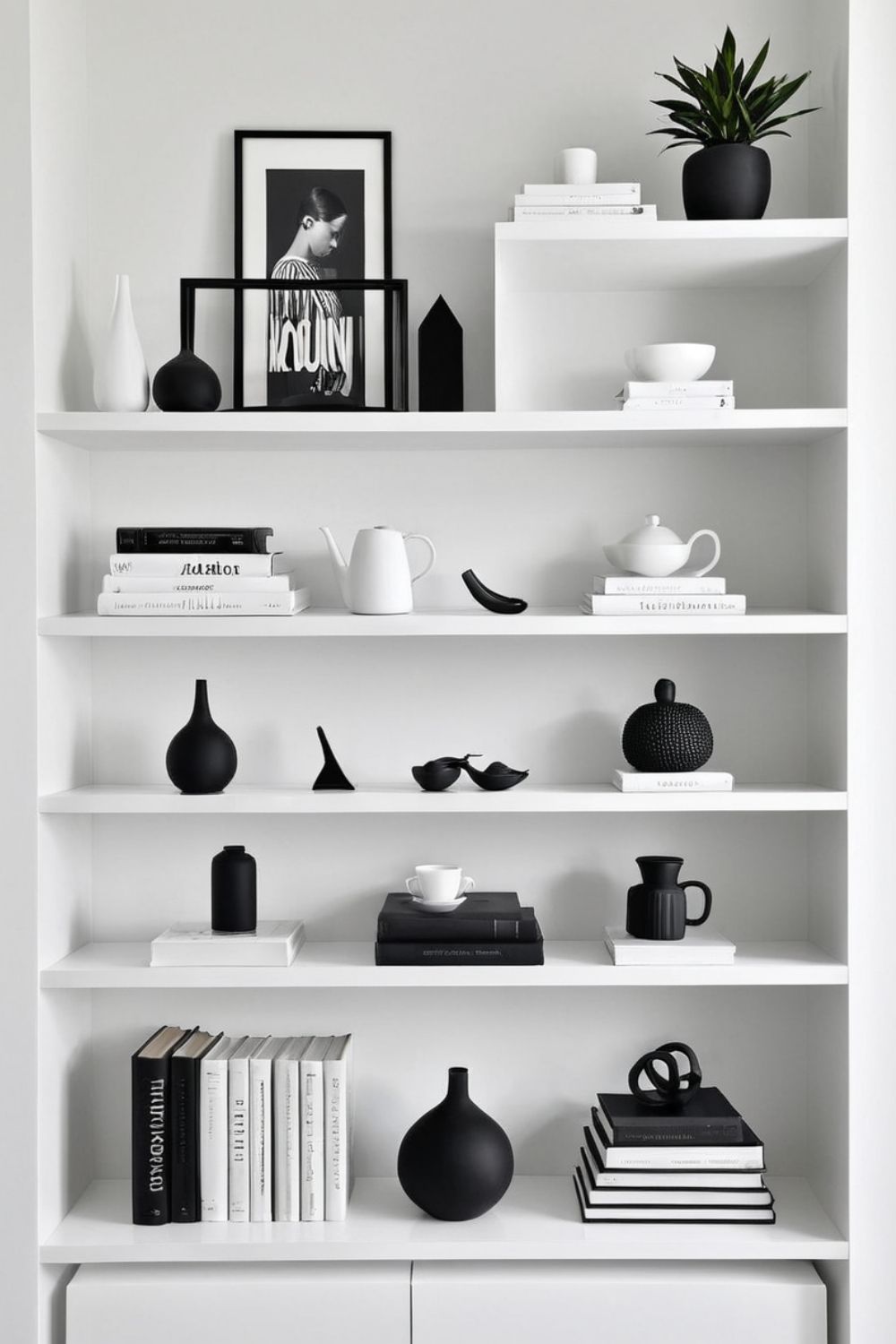
This color strategy often appeals to homeowners seeking sophisticated, coordinated appearances. Single-color schemes typically create calm, elegant environments while maintaining visual unity.
Design consideration: Monochromatic schemes often require careful selection and coordination of materials and items, while unified palettes typically need consideration of lighting effects and seasonal variation.
Practical benefit: Coordinated color schemes often create more sophisticated, calming environments, while unified aesthetics typically provide timeless appeal that adapts well to changing trends.
19. Feature Wall Implementation: Dramatic Focus Creation
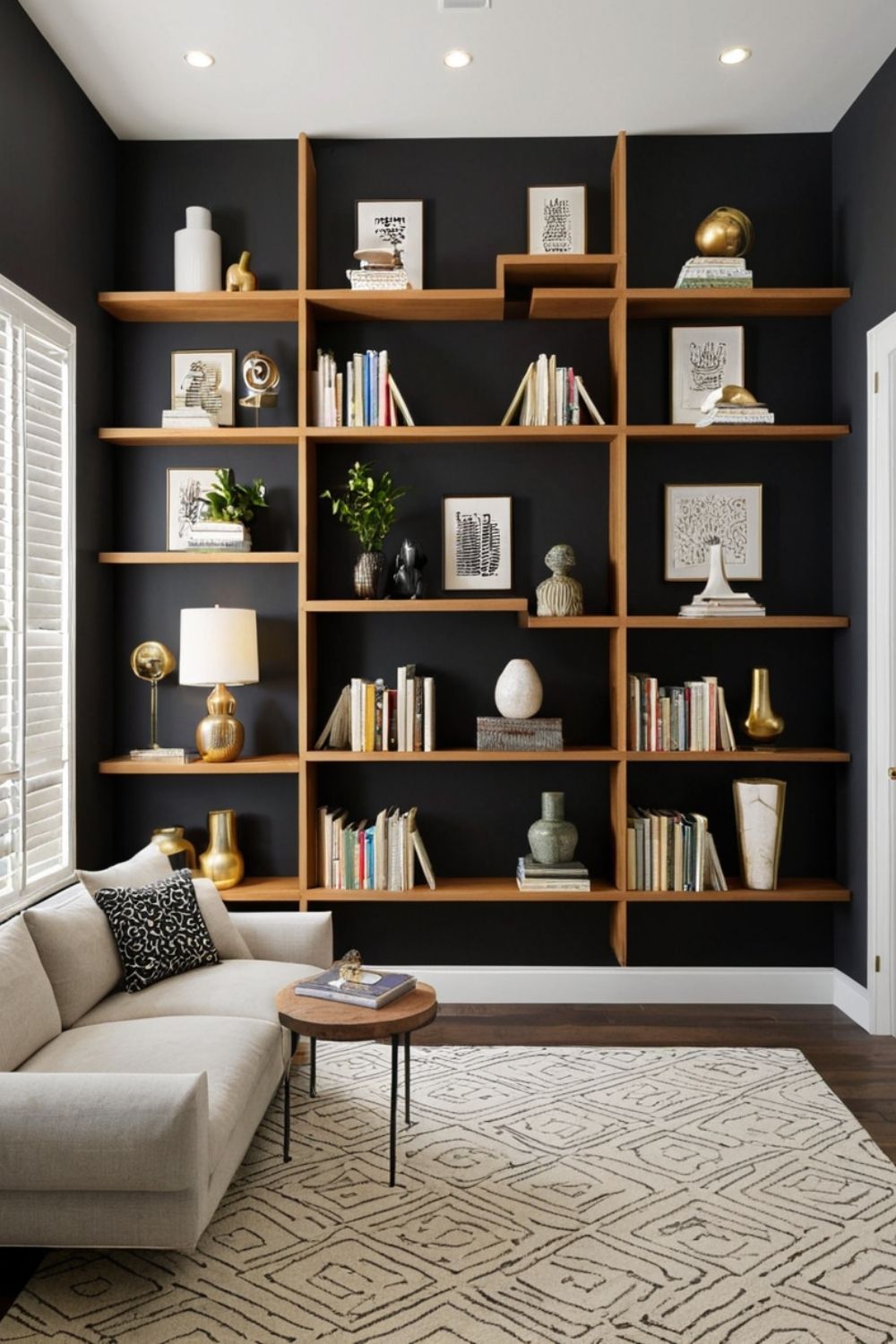
This architectural approach often appeals to homeowners seeking impressive, room-defining storage solutions. Statement installations typically create dramatic focal points while providing substantial storage capacity.
Design consideration: Feature wall installations often require significant planning and professional installation, while dramatic designs typically need coordination with room proportions and existing architecture.
Practical benefit: Statement features often increase room visual impact and property value, while impressive installations typically provide long-term satisfaction and distinctive home character.
20. Underutilized Space Conversion: Creative Storage Solutions
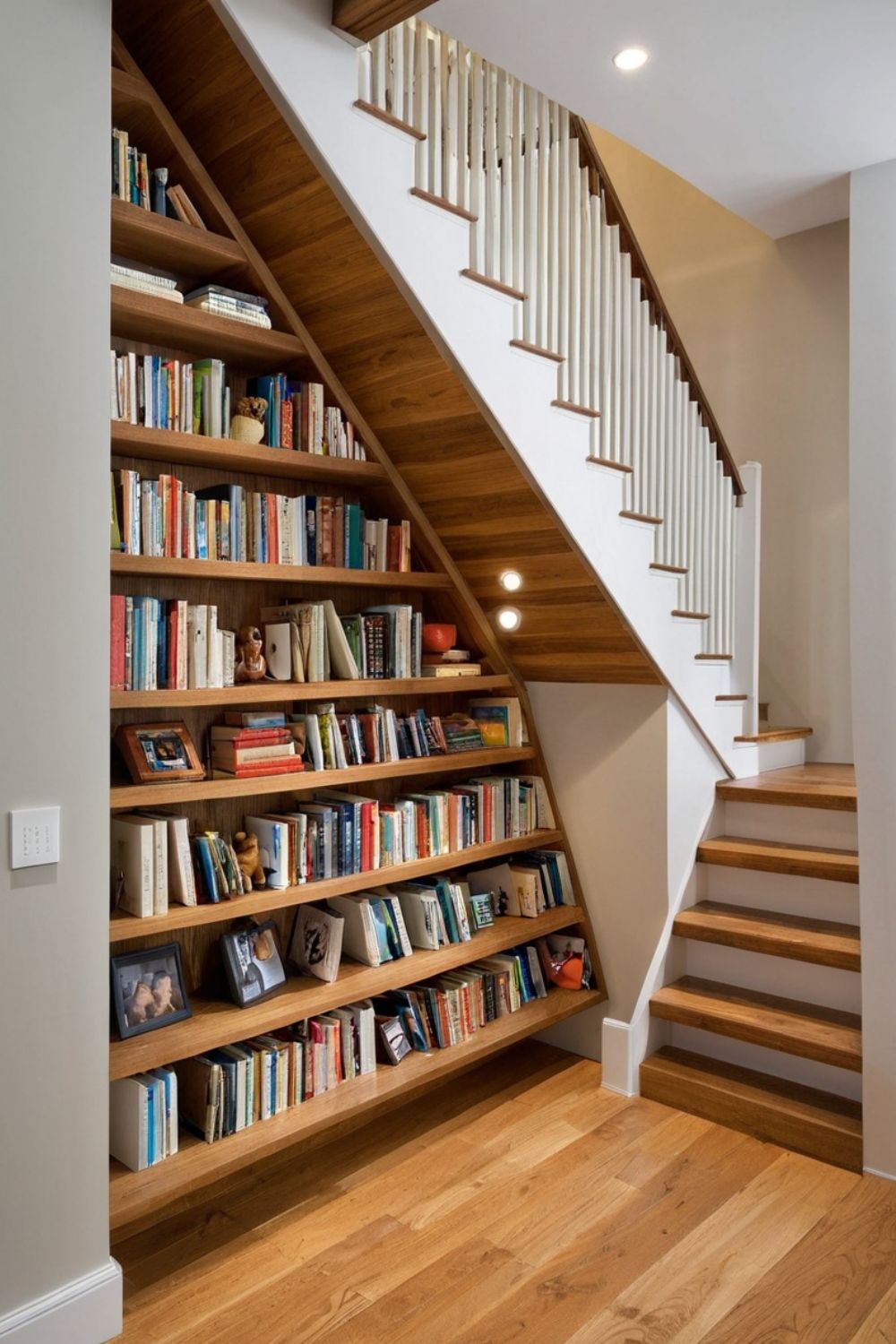
This efficiency strategy often appeals to homeowners maximizing available space through creative utilization. Unconventional area conversions typically provide storage while adding unique architectural interest.
Design consideration: Creative space utilization often requires custom design and careful measurement, while unconventional installations typically need consideration of accessibility and safety requirements.
Practical benefit: Space maximization often provides storage without impacting main living areas, while creative solutions typically add distinctive character and improve overall home functionality.
Creating Your Ideal Bookshelf Solution
Understanding these design approaches often helps homeowners select bookshelf solutions that successfully balance storage needs with aesthetic goals and budget considerations. Effective implementations typically start with space assessment and usage analysis, then incorporate design elements that complement existing décor and lifestyle patterns.
Successful bookshelf projects often prioritize both immediate storage needs and future flexibility while ensuring installations meet safety requirements and enhance overall room functionality. The result typically creates organized, visually appealing environments that support both practical daily needs and long-term home enjoyment.
When planning your bookshelf installation, consider how these elements work together to create storage solutions that reflect both practical requirements and personal style preferences. The most effective designs often balance functionality with visual appeal while ensuring safe installation and long-term durability.
Remember: For any wall mounting, structural modifications, electrical work for lighting, or major installations related to bookshelf projects, always consult with licensed professionals to ensure proper installation, safety compliance, and adherence to local building codes.