The short answer is yes, growing fiddle leaf figs from seeds is technically possible—but the long answer is considerably more complicated. Every few months, someone in a plant forum excitedly shares that they’ve ordered fiddle leaf fig seeds online, ready to grow their tree from scratch.
What follows is usually disappointment when seeds fail to germinate, or worse, when they sprout into something entirely different. The reality is that while fiddle leaf figs do produce seeds in their native tropical habitat, obtaining viable seeds and successfully germinating them at home presents challenges that make this method impractical for most growers.
Over years of working with these plants, I’ve attempted seed propagation multiple times and consulted with botanists about the process.
What I’ve learned is that the difficulties aren’t insurmountable, but they’re significant enough that alternative propagation methods make far more sense for home growers.
This guide will explain exactly why seed propagation is so challenging, what’s required if you’re determined to try it, and which proven alternatives will get you a thriving fiddle leaf fig much faster and more reliably.
Why Seed Propagation Is So Challenging
Fiddle leaf figs produce seeds only when they flower, and flowering almost never occurs indoors. In their native West African rainforest habitat, mature fiddles develop small fig-like fruits containing tiny seeds.
These fruits require pollination by specific wasp species that don’t exist outside tropical regions, creating the first major obstacle. Indoor fiddles, even large, healthy specimens decades old, typically never flower because they lack the environmental triggers—intense tropical light, high humidity, and seasonal temperature fluctuations—that induce reproductive cycles.
Even if you somehow obtain authentic fiddle leaf fig seeds, viability presents another hurdle. These seeds lose viability rapidly after harvest, often within weeks. Unlike tomato or bean seeds that remain viable for years when stored properly, fiddle seeds need to be fresh—ideally planted within days of collection.
This explains why the “fiddle leaf fig seeds” sold online are frequently either non-viable or, more commonly, seeds from entirely different plants. I’ve tested multiple seed packets marketed as fiddle leaf fig seeds and had them germinate into unrelated ficus species or completely different plants altogether.
The germination process itself demands precise conditions rarely achievable in home environments. Fiddle seeds need consistent temperatures between 75-85°F, extremely high humidity approaching 90%, and specialized growing medium.
The seedlings are incredibly delicate, susceptible to damping off disease, and grow painfully slowly—taking 6-12 months just to produce recognizable fiddle-shaped leaves.
Compare this to stem propagation, where you can root a cutting in weeks and have a plant with mature foliage characteristics from day one.
Pro tip: If you’re considering seeds sold online, research the seller extensively and read reviews carefully.
Legitimate botanical gardens occasionally offer authentic seeds, but these are rare and typically available only to researchers or serious collectors.
The Reality of Sourcing Authentic Seeds
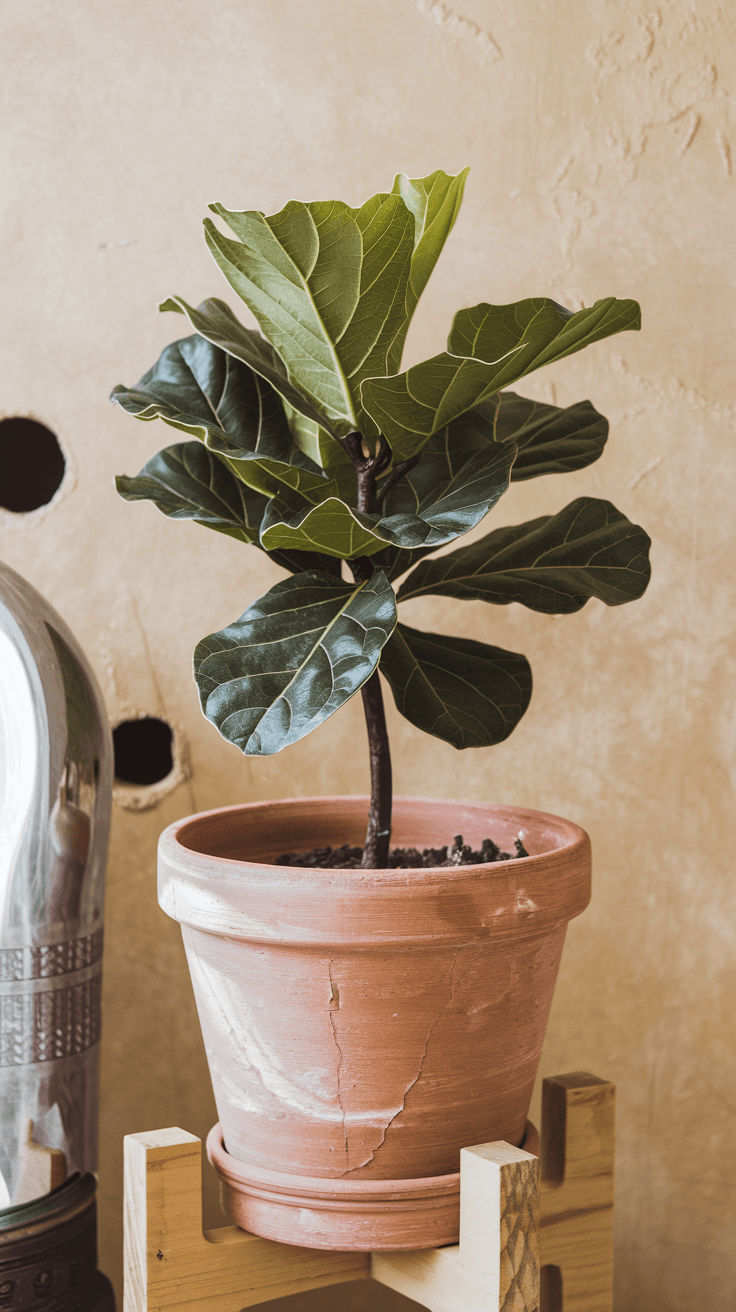
Finding genuine fiddle leaf fig seeds requires access to mature plants in tropical climates where they flower and fruit naturally. Botanical gardens in tropical regions occasionally harvest seeds, but these are rarely available to home growers.
I’ve contacted several institutions that maintain mature fiddles in greenhouse collections, and most report that even under controlled tropical conditions, seed production remains unpredictable and infrequent.
The online marketplace for fiddle leaf fig seeds is problematic at best. Countless listings on major e-commerce platforms advertise fiddle seeds at prices ranging from a few dollars to over twenty dollars for small quantities.
The overwhelming majority of buyers report either complete germination failure or plants that clearly aren’t fiddle leaf figs emerging after weeks of care.
Some sellers apparently substitute seeds from common ficus species like Ficus benjamina, banking on buyers’ inability to distinguish between different ficus types during the seedling stage.
When authentic seeds are available—typically through specialized rare plant collectors or tropical plant societies—they command premium prices and come with caveats about germination rates. Even fresh, properly stored seeds from verified sources show germination rates of only 30-50% under ideal conditions.
This means you might need to plant a dozen seeds to successfully germinate three or four viable seedlings.
The legal and ecological considerations around seed collection also matter. Wild harvesting of fiddle leaf fig seeds from native habitats in West Africa raises conservation concerns, though the plants themselves aren’t currently endangered.
Ethical sourcing becomes important if you’re committed to the seed route—prioritizing seeds from cultivated specimens rather than wild-collected material.
Expert insight: If you’re determined to try seed propagation as an experiment or learning experience, treat it as exactly that—an experiment with low success probability. Don’t invest heavily in expensive seed packets expecting guaranteed results.
The Process If You’re Determined to Try
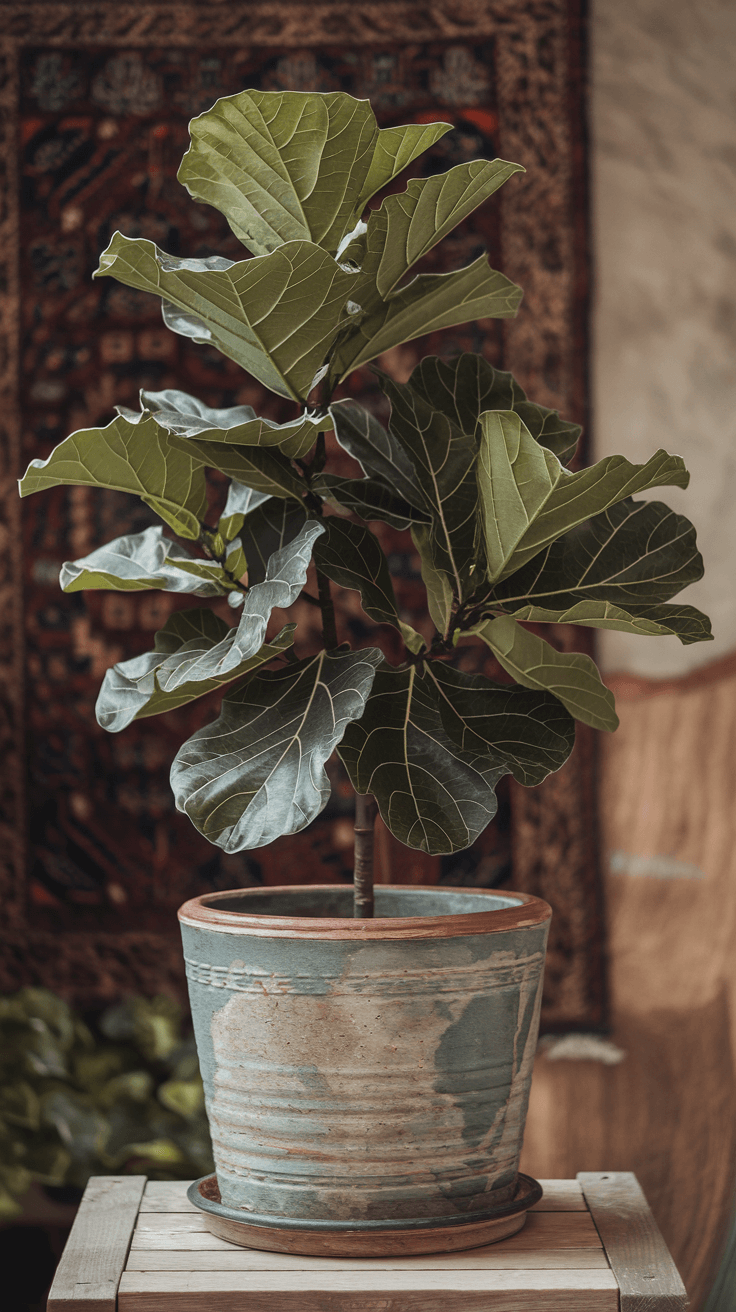
Assuming you’ve obtained fresh, authentic seeds—perhaps through a botanical garden connection or rare plant society—here’s the methodology that offers the best chance of success. Start by preparing a sterile seed-starting mix combining equal parts peat moss, perlite, and vermiculite.
Sterilization is critical because fiddle seedlings are extremely vulnerable to fungal pathogens. I pre-moisten the mix thoroughly until it’s evenly damp but not waterlogged.
Sow seeds on the soil surface without covering them deeply—they need light exposure to germinate. Press them gently into the medium to ensure contact but leave them visible. Place the container in a sealed plastic bag or covered propagation tray to maintain near-constant humidity.
Bottom heat using a seedling heat mat set to 78-80°F dramatically improves germination rates, as does placing the setup under grow lights providing 12-14 hours of bright, indirect light daily.
Germination, if it occurs, typically takes 2-4 weeks but can stretch to 6-8 weeks. During this period, maintain consistent moisture without allowing the medium to become soggy. I check daily, misting lightly if the surface begins drying. The first leaves that emerge won’t look like typical fiddle leaves—they’re small, simple ovals.
Characteristic fiddle shape develops slowly over subsequent growth.
Once seedlings establish true leaves, begin acclimating them gradually to lower humidity by opening the propagation cover for increasing intervals over 2-3 weeks. Transplant individual seedlings into small pots only after they’ve developed 3-4 true leaves and show active growth. Throughout the first year, fiddle seedlings remain fragile and grow slowly. Expect to wait 2-3 years before your seedling resembles a recognizable fiddle leaf fig of the size you could purchase at a nursery.
Action step: Document your process meticulously with photos and notes. Whether you succeed or fail, the data contributes to understanding seed propagation challenges and might help other adventurous growers attempting similar projects.
Proven Alternatives That Actually Work
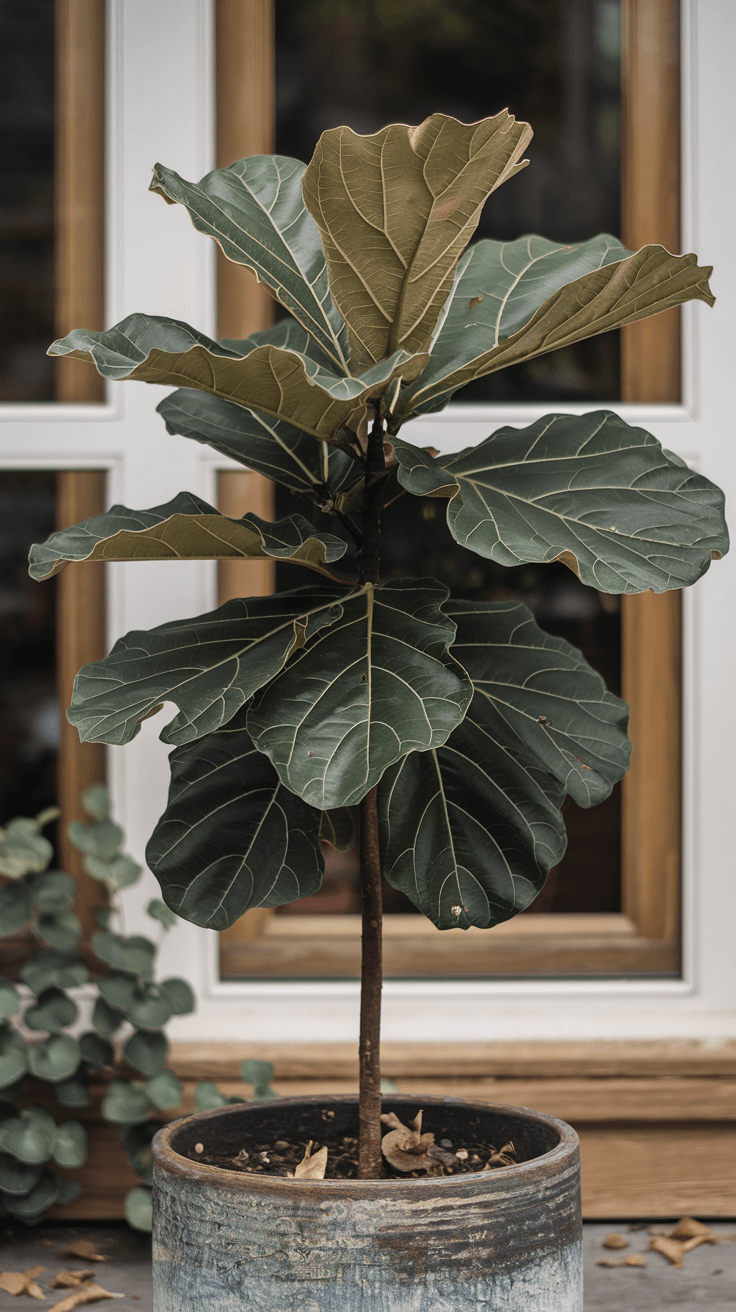
Stem cutting propagation represents the gold standard for home fiddle propagation, offering high success rates and much faster results. Select a healthy stem with at least one node and 2-3 leaves, cutting just below the node with sterilized shears. Place the cutting in water or directly into moist potting mix, keeping it in warm, bright conditions.
Roots typically develop within 3-4 weeks, and you’ll have a plant with mature leaf characteristics from the start rather than waiting years for seedlings to develop recognizable foliage.
Air layering provides another reliable method, especially useful for rejuvenating leggy fiddles while propagating new plants. This technique involves wounding a section of stem, wrapping it with moist sphagnum moss, and securing it with plastic wrap until roots develop.
The advantage is that you’re working with established woody growth that already has mature characteristics, and the new plant is essentially a clone of the parent with identical traits.
Purchasing young plants from reputable nurseries remains the most practical approach for most growers. A 2-3 foot fiddle purchased for $30-50 gives you immediate gratification and bypasses all propagation challenges entirely.
These nursery-grown plants have been raised in controlled conditions, are already acclimated to pot culture, and come with established root systems ready to thrive in your home.
The philosophical question worth considering is why seed propagation appeals to you specifically. If it’s about the journey and experimentation, accepting the high failure risk might be worthwhile. If you want a thriving fiddle leaf fig as efficiently as possible, literally any other method serves you better.
Conclusion: Weighing Possibility Against Practicality
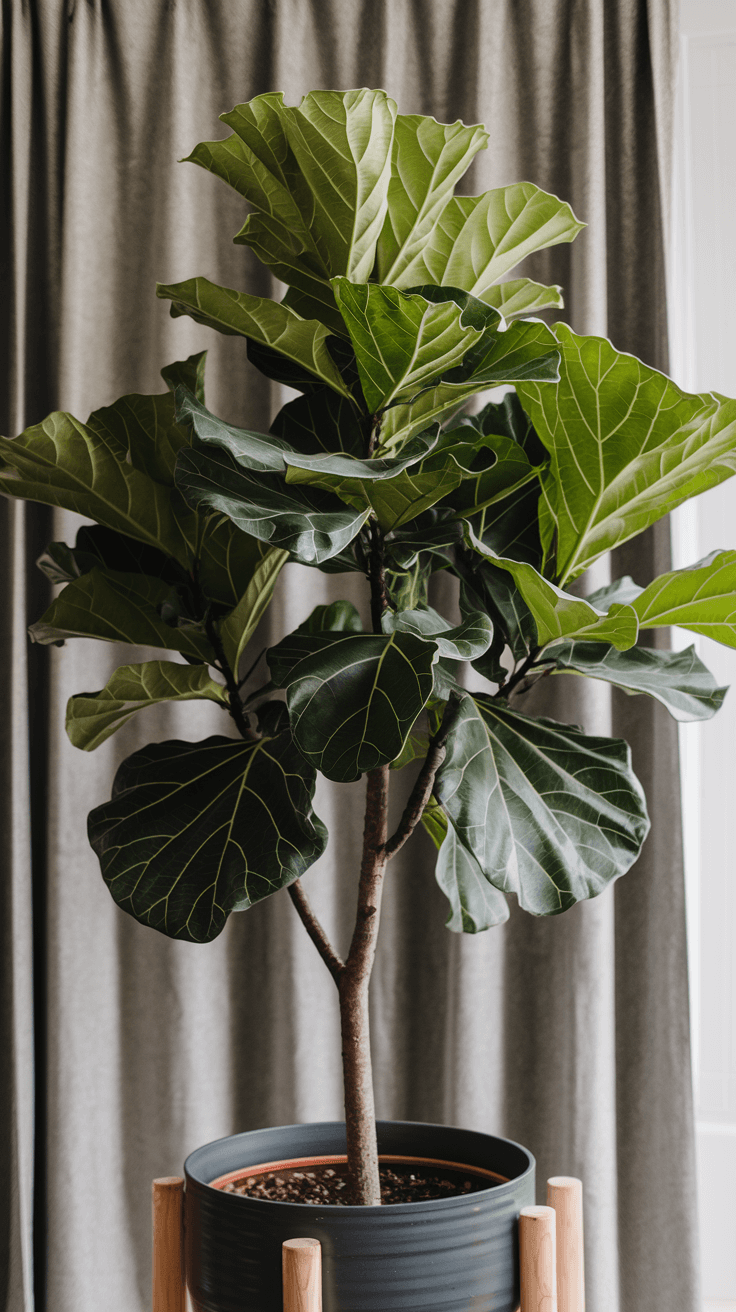
Growing fiddle leaf figs from seeds occupies that frustrating space where something is theoretically possible but practically inadvisable for most situations. Yes, it can be done—somewhere, right now, a botanist in a research greenhouse is probably germinating fiddle seeds successfully.
But the combination of sourcing challenges, low germination rates, demanding environmental requirements, and glacial growth rates makes seed propagation an exercise in patience and persistence that few home growers find rewarding.
The methods that actually work—stem cuttings, air layering, or simply purchasing established plants—deliver better results with fraction of the effort and disappointment.
If you’re drawn to the challenge purely for experimental purposes and can accept likely failure as part of the learning process, then attempting seed propagation might satisfy your curiosity. But if your goal is a beautiful, healthy fiddle leaf fig in your living room, skip the seeds entirely and choose a propagation method with proven success rates.
Your time and energy will be rewarded with actual results rather than months of waiting for seeds that may never sprout or seedlings that turn out to be something entirely different.